
Family club at Essex Family Dental
We love kids!
Looking after your child’s teeth and gums is a big part of keeping them healthy, and you may be surprised to learn that it all starts as soon as their first tooth appears. We’re here to support you through every stage of your child’s dental development with practical tips on teething, brushing and choosing food and drink that is kind to their teeth.
Dental appointments for children
When should my child visit the dentist for the first time?
You can bring your child to the dentist as soon as their first baby tooth shows up. Not only is it a great chance for your dentist to check things over but, just as importantly, it helps your little one get used to the sights, sounds and smells of the clinic early on so that they’ll be less nervous about coming in later!
.jpeg)
How to handle dental anxiety in both children and parents
I’m scared of the dentist. How can I stop my child from also being scared?
If you’re not a fan of the dentist yourself, don’t worry because you’re not alone. More than half of all adults in the UK claim to have a fear of the dentist, whether that be mild nervousness or an extreme phobia. However, it’s really important to keep things positive for your child so that they don’t pick up on those same fears. Here are a few tips that can help you do this:
My child is too scared to go to the dentist – what should I do?
Dental phobia is a very real emotion and some children simply can’t cope with having a dental treatment. In these extreme cases, your child may be eligible for dental sedation. Dental sedation is a specialised treatment that can only be carried out by a sedation-qualified dentist and anaesthetist in a permitted and approved location. Due to these advanced requirements, the majority of dental practices in the UK do not provide sedation for children. However, we at Essex Family Dental have been providing sedation for children for over 25 years at our specialised sedation centre on Whalebone Lane.
Can I book an appointment for treatment under sedation directly or do I need a referral?
Yes. We do accept private direct access appointments if your child needs a filling and is unable to have the treatment in the usual way. Please click here to book a sedation consultation or you can speak with one of our treatment coordinators on 0208 599 4283 about private treatment under sedation.
Should I bring my child to the hygienist for a dental clean?
There is no reason children shouldn’t regularly visit the dental hygienist for a deeper clean of their teeth and gums. Not only will any persistent stains be removed, but your child will also receive valuable brushing and maintenance advice and demonstrations from their hygienist.

Where are children’s treatments available?
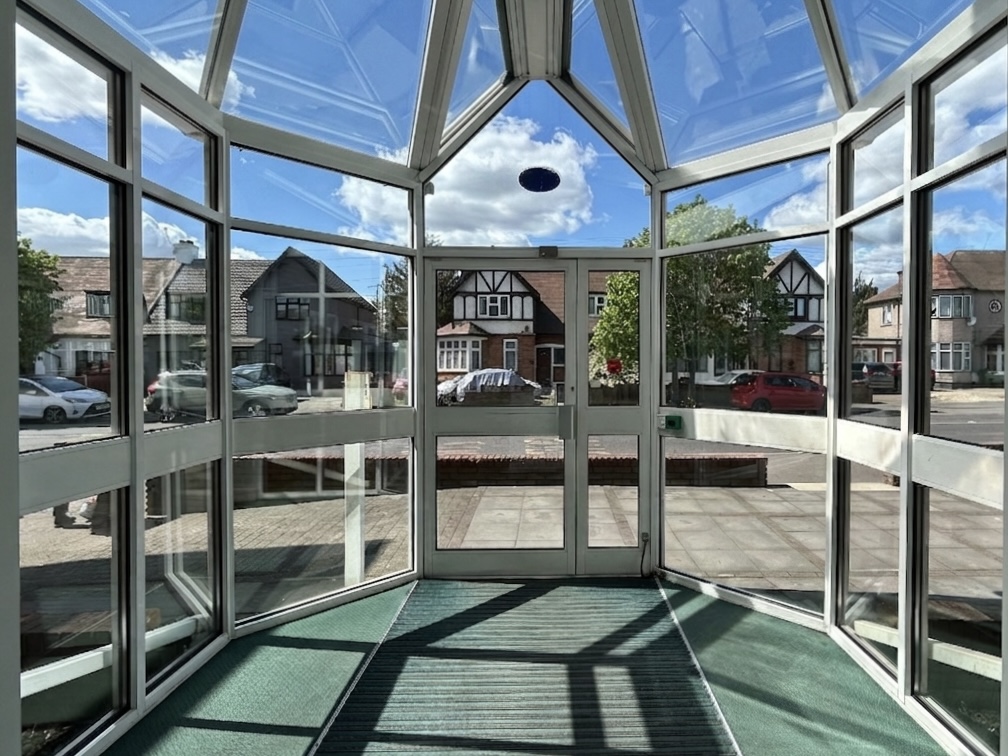
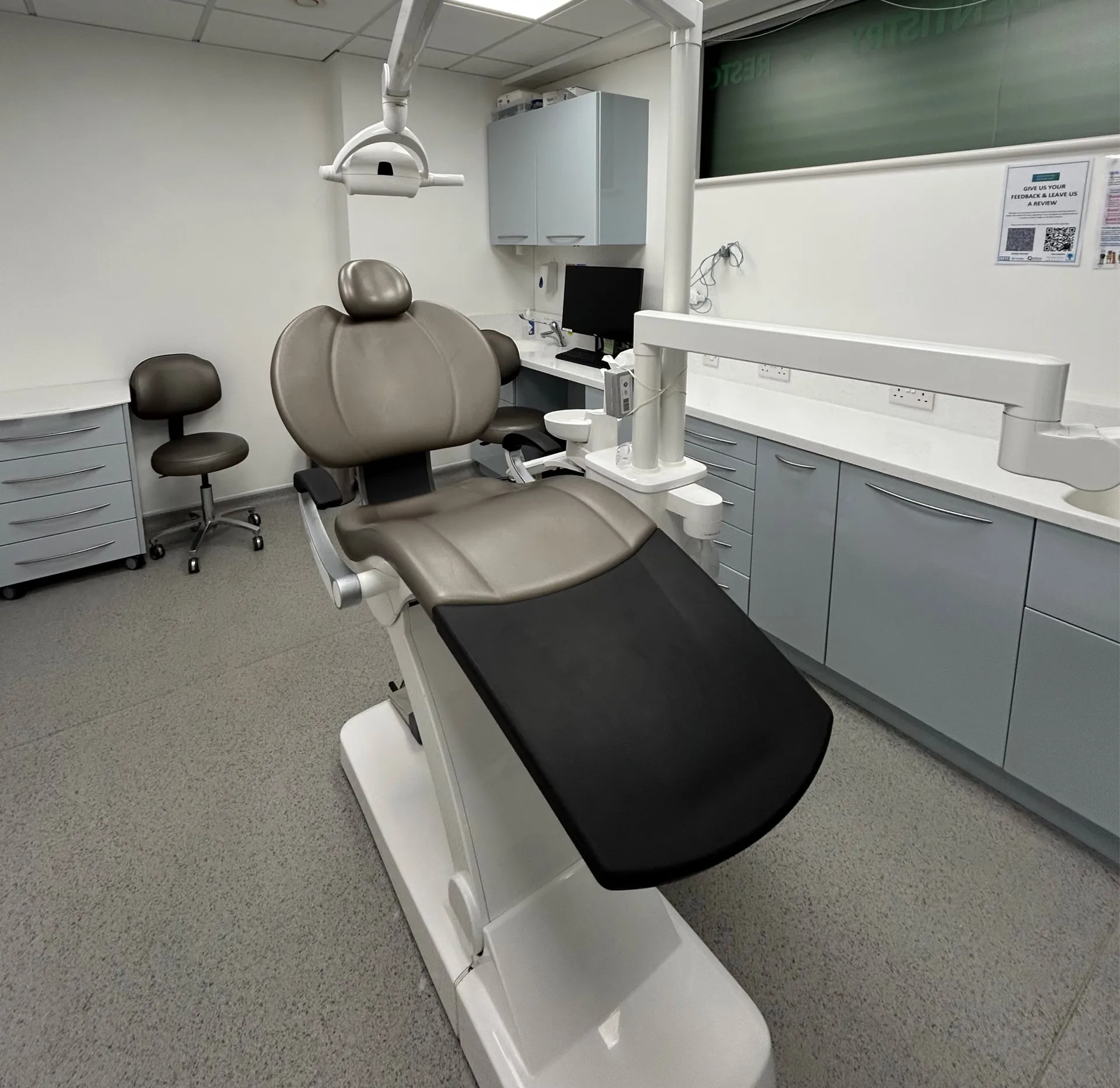
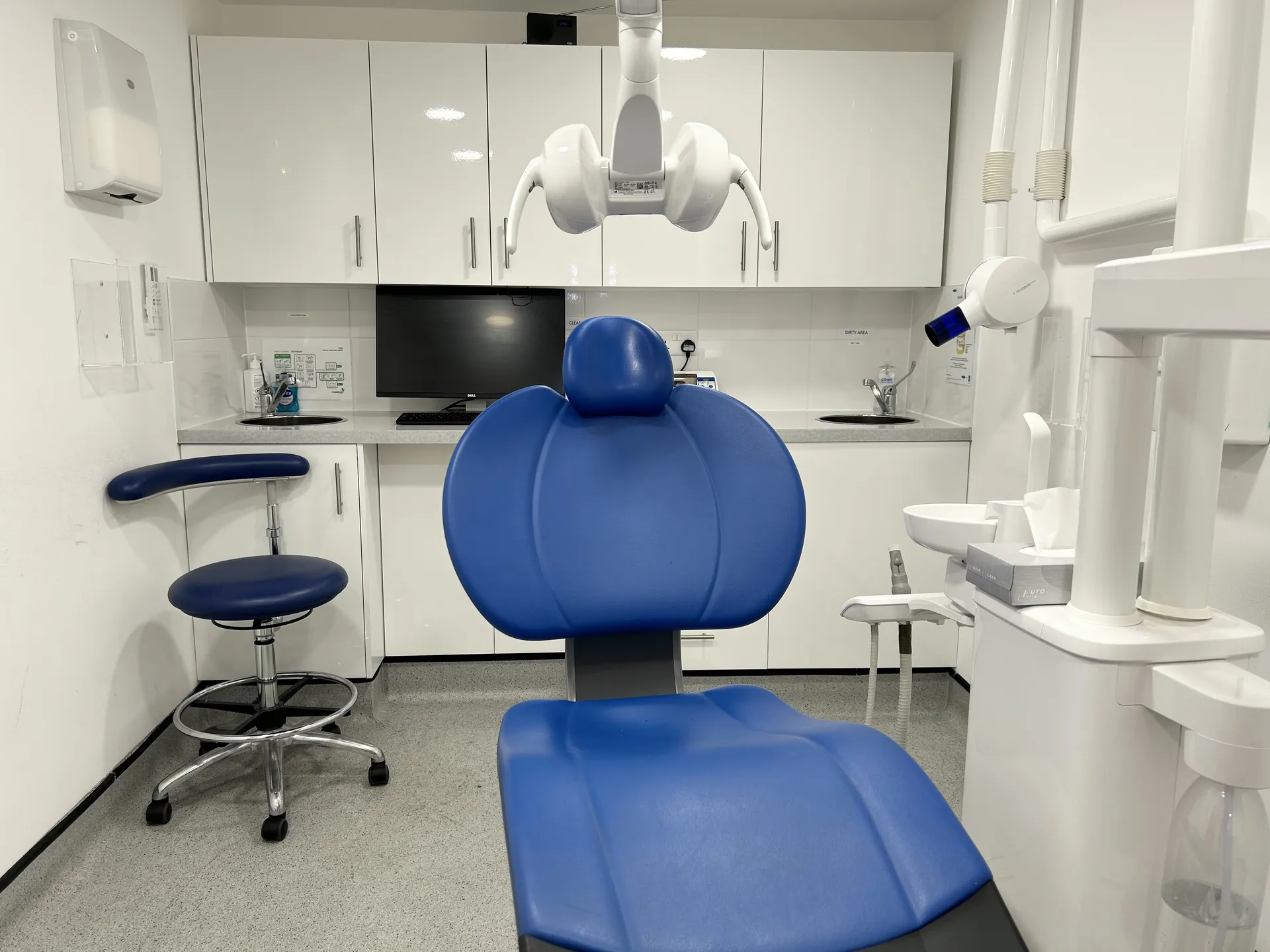
This treatment is available at the following practice locations:

Dental care for your children at home
Think of your child’s teeth as an inherited investment; the better they are maintained, the fewer problems your child will have with them in the future. Building healthy habits early and having a regular routine, both with dental check-ups and at home, is key to caring for your child’s teeth.
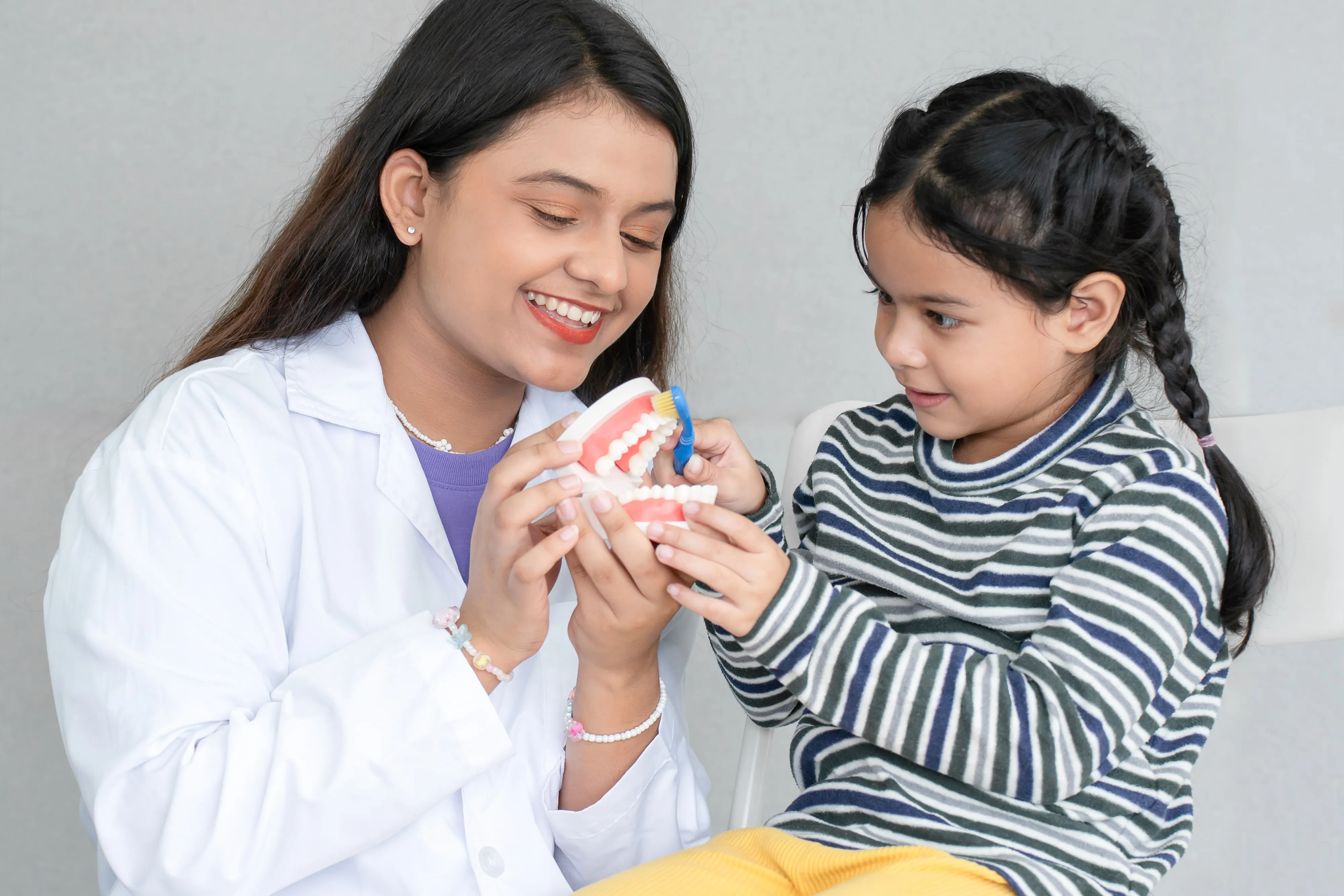
How can I teach my child to brush their teeth?
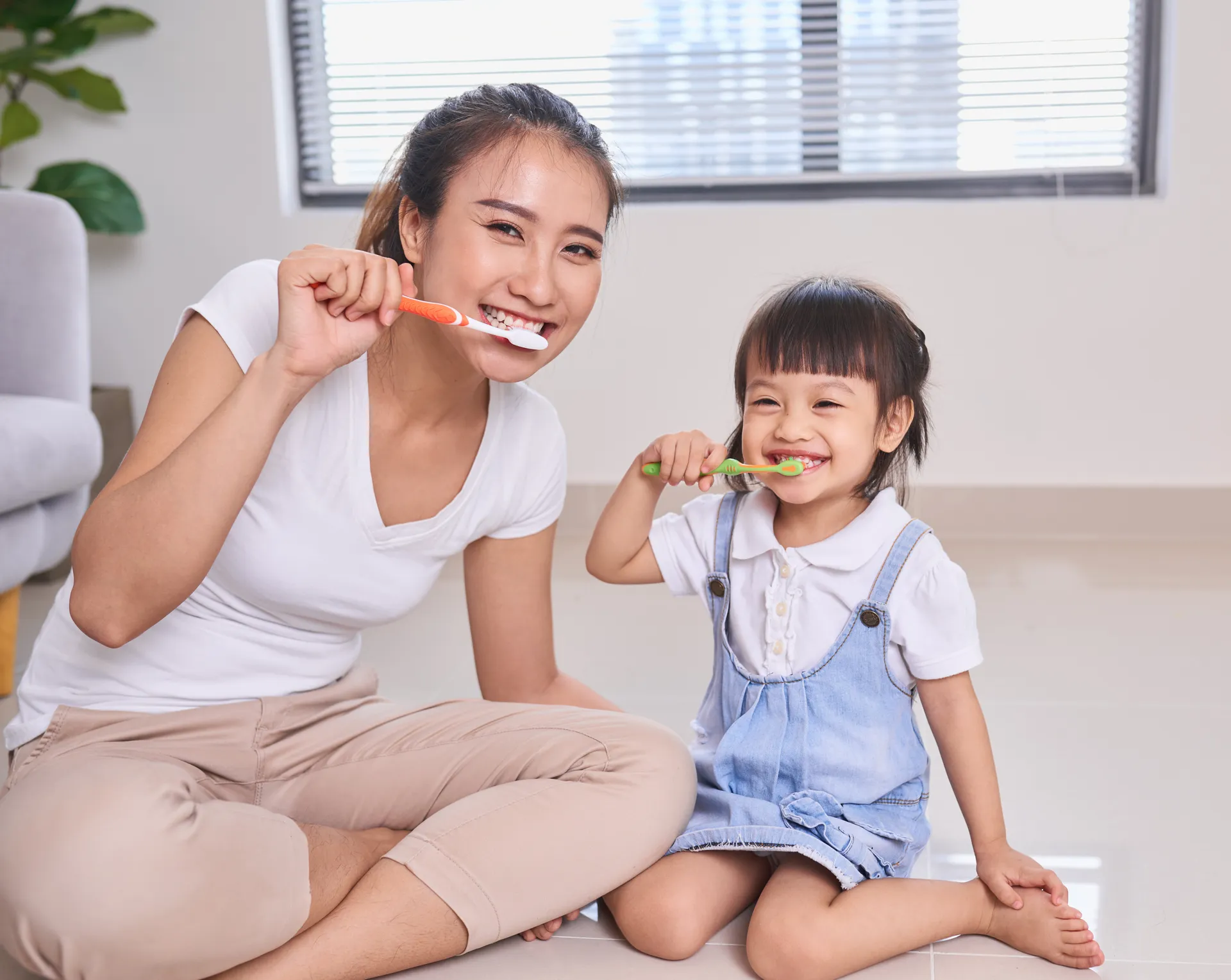
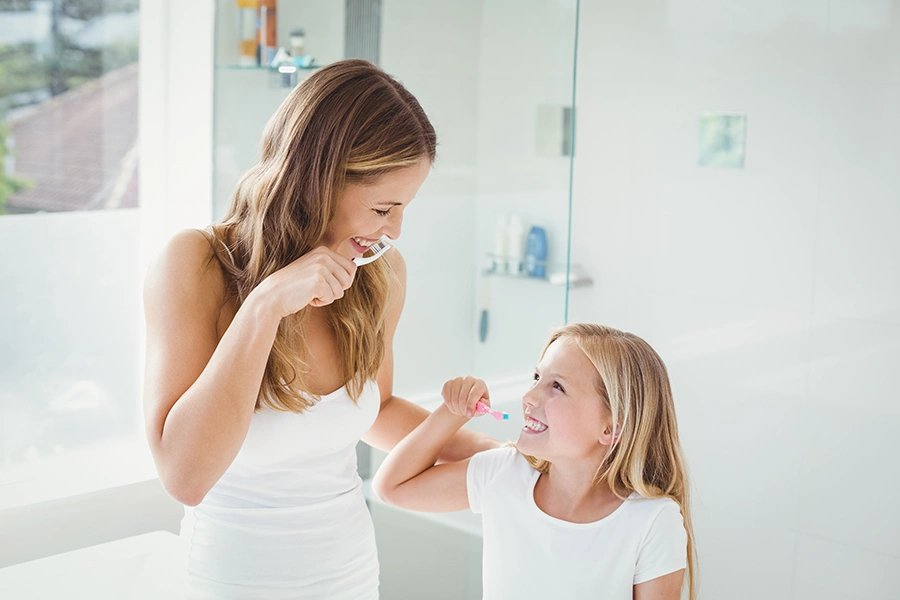
As with everything, your child will learn the most from you by seeing your good example. Brush your own teeth in front of them and show them exactly how you do it. Kids love to copy, so this will help them learn that brushing is just a part of the daily routine, both for you and for them. Allow your child to brush their own teeth but continue to supervise them up until the age of 7 – this might mean that you have to finish brushing their teeth yourself to ensure all teeth have been cleaned thoroughly on all sides, aiming for a couple of seconds per tooth.
What toothpaste can kids use?
Regular adult toothpaste is way too strong for little ones, so don’t brush their teeth with your own. Instead, you can buy special toothpaste for babies and young children at any chemist or supermarket – just make sure that it has fluoride in it to help protect their teeth and that it’s aimed at the correct age range (you’ll see this listed on the packet). Never use more than a very light smear of toothpaste for young babies and toddlers and increase this up to a pea-sized amount from the age of 3. It’s best that they don’t rinse out their mouth afterwards; as long as they haven’t used too much toothpaste, your child will get more benefit from their teeth brushing if they don’t spit at the end.
My child hates having their teeth brushed. What should I do?
Some children, particularly toddlers, will go through phases of refusing to brush their teeth. When this happens, stay calm and stick to the routine of brushing twice a day as much as you can. Try to find ways to make it fun for your child; give them their toothbrush in the bath, for example, or play their favourite song while you all brush your teeth together. You can keep a sticker or star chart to recognise their success and you can even involve their favourite cuddly toys; after all, teddy needs to have his teeth brushed just as much as they do! You can also involve them in the wider process by allowing them to choose their own toothbrush and toothpaste, and perhaps consider changing these from time to time to add some novelty to the routine. Overall, try not to despair – in most cases, these phases will pass and it’ll become much easier with time and consistency.

My child is teething; how can I help them?
Teething can be tough on young babies, but there are plenty of ways to help soothe and support them through it. Spending time comforting or playing with your baby can be a great way to take their mind off gum discomfort, and you can also try gently rubbing their gums with a clean finger to help ease the pain. Teething gels and powders are available at most chemists, however, as there is limited evidence to support their effectiveness, the NHS recommend trying non-medical solutions first such as teething rings and toys. If using chilled teething rings, never put them in the freezer and always follow the chilling instructions. Click here for the NHS advice page on teething.
Be assured that, in most cases, teething pain only lasts a few days at a time, so your little one will feel like themselves again in no time at all.

Where can I find out more information about caring for my child’s teeth?
The best source of information that is specific to your child is your dentist. Feel free to ask them as many questions as you need to during your child’s regular check-up appointment.
Further to this, there are lots of online resources available, including:
- A very useful brushing guide, provided by the NHS - click here.
- Many useful articles on oral care during the different life stages, from Oral B - click here.
- Dental videos from paediatric dentists on how to care for children teeth:
- Ages 0-3 - click here
- Ages 3-6 - click here
- Ages 7+ - click here
- A dental video from BBC CBeebies about 'My First Dental Visit' - click here.

Have you thought about?
.jpg)
Hygiene appointments
Regular hygiene visits help keep your teeth clean, bright and free from staining while also supporting the long-term health of your gums. Attending appointments at least every six months—alongside routine dental check-ups and good home care—reduces the risk of gum disease, improves overall oral health and helps maintain a fresh, healthy smile.
Teeth straightening
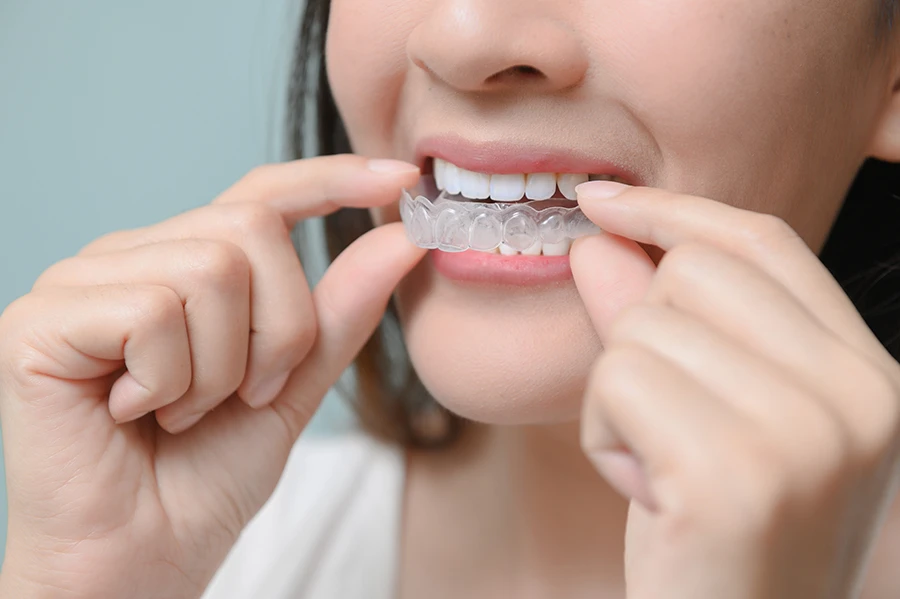
Straightening crooked or misaligned teeth can transform your smile, give you confidence and help you be the best version of you. If you’re dissatisfied with your smile, you’ll be pleased to know that straightening your teeth is not only extremely achievable and affordable but also brings very reliable results, whether your goal is to straighten wonky teeth, reduce overcrowding, remedy an incorrect bite or fix jaw misalignment. Multiple teeth straightening options are available at Essex Family Dental such as clear aligners, lingual braces, clear ceramic braces or traditional orthodontics, which means you can choose the treatment option that best suits you, your needs and your lifestyle.
Frequently asked questions about children's dentistry
Whilst every child is different, most children typically begin to lose their baby teeth around the age of 6, with some starting as early as 5 years old or as late as 7. The lower central incisors are usually the first to fall out, followed by the upper central incisors.
Once a baby tooth has fallen out, the permanent tooth will begin to emerge through the gums. As baby teeth don’t all fall out at the same time, most children will go through a transitional phase where they will have a mix of both primary and adult teeth in their mouth. During this stage, it's common for the smile to take on an uneven appearance; some teeth may be larger or smaller than their neighbours, the teeth may look crowded or some may remain temporarily missing. There’s usually no need for concern as this is all a normal part of oral development.
Orthodontic treatment through the NHS is free for patients under 18, but only if they meet the clinical criteria for teeth straightening. Unfortunately, even if a child is eligible for NHS braces, it can take as long as 2 years for treatment to start due to high demand and lengthy waiting lists. If your child doesn’t qualify for NHS treatment or if an alternative option, such as clear aligners, is preferred, private treatment is available at Essex Family Dental.


