
Oral surgery and extractions at Essex Family Dental
There may be times when oral surgery is required to rectify an issue with your teeth or gums, such as wisdom tooth removal or getting an implant. At Essex Family Dental, our dentists that specialise in oral surgery and our dedicated sedation centre are available to our patients, avoiding the need for referrals to the hospital in the majority of cases. For our independent patients who require oral surgery, we even have an oral surgery clinic open at our Whalebone Lane practice with our specialised, hospital trained dentist.

When is oral surgery required?
Oral surgery may be required for a number of different reasons. The most common need for oral surgery is to have a tooth extracted, which can be carried out by most dentists in the dental chair using local anaesthetic. More complex procedures, such as removal of wisdom teeth and other complex tooth or root extractions, usually require a dentist skilled in these advanced treatments. These specially skilled dentists are equipped and specifically focussed on performing this type of surgery.

What’s the process to receive oral surgery?
You’ll first have a consultation with your dentist who will examine your mouth and carry out any necessary x-rays. Should you wish for an elevated service, you can also opt for a digital diagnostics scan to ensure that every issue is clearly visible and accurately identified. Your dentist will then advise you on the recommended treatment plan and will talk you through the surgery required. Depending on the treatment, either you’ll have your surgery carried out using local anaesthetic only or, for more complex cases or if you’re feel especially nervous, you’ll be booked in for treatment at the sedation centre. In most cases sedation is an optimum choice as it ensures the best results and allows you to be as relaxed as possible.
Can I have oral surgery as a private patient?
Yes, oral surgery is available to all of our independent patients. You may find it optimal to follow the private healthcare route to avoid NHS wait times or if your issue isn’t deemed clinically necessary for oral surgery under the NHS.
.avif)
What can I do about the gap in my teeth after an extraction?
Dental implants are the ideal fixed appliance solution to fill the gap in your teeth after a tooth has been extracted. At the forefront of dental technology, they’re extremely durable and natural-looking, so they really are the best solution to give you back your confidence.
Please speak with our dedicated team to get further information and reassurance about the full range of options available to you, including dentures as a removable appliance.
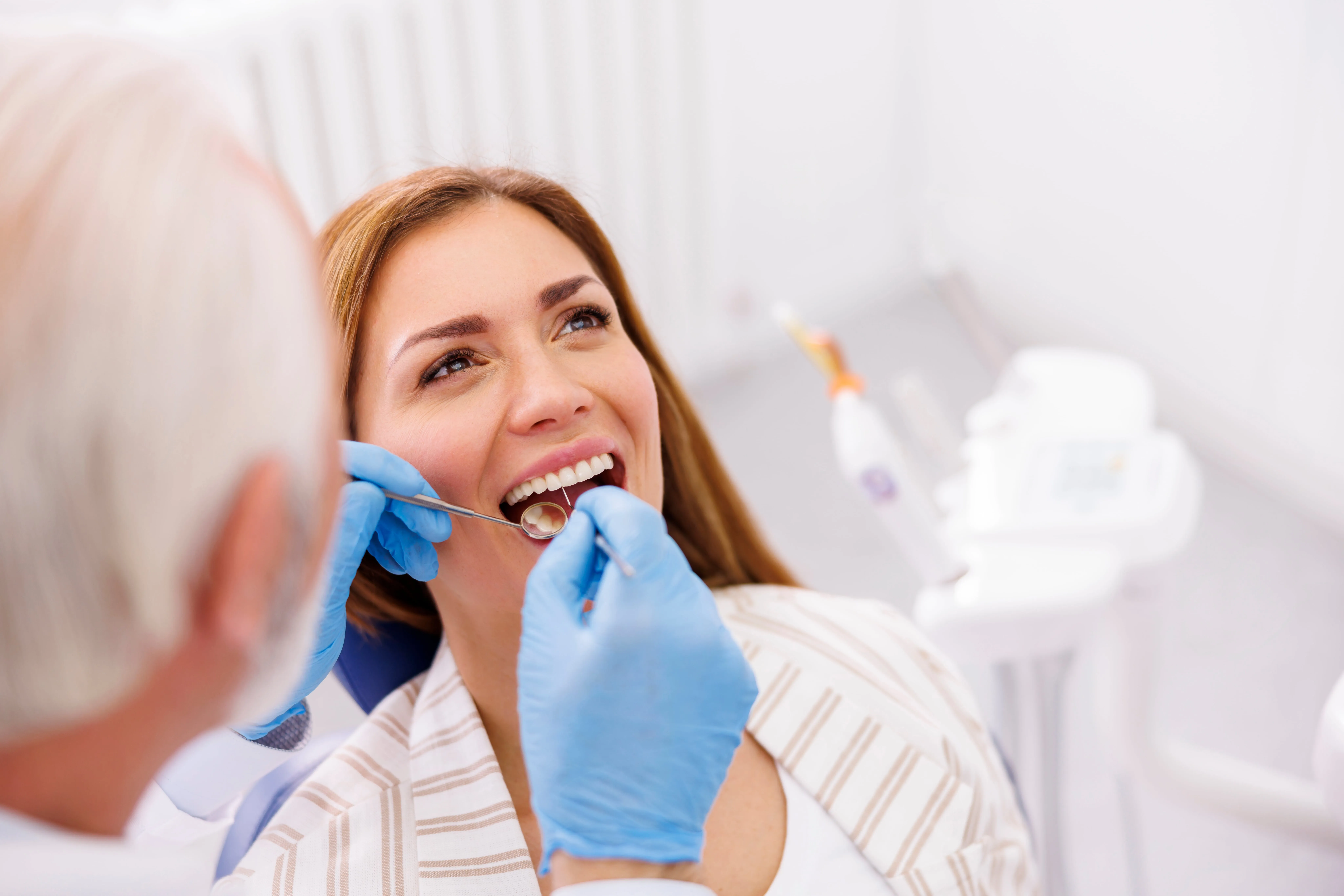
Why should I choose an implant after a tooth extraction?
Whilst a variety of options are available, an implant is the best solution to provide you with a replacement tooth as natural-looking and strong as the original. Though more expensive than other treatments, an implant provides you with the most advanced technology available to achieve the job, which is reflected by the price.

Which dentists perform oral surgery and extractions at Essex Family Dental?
At Essex Family Dental, we have a number of doctors who specialise in oral surgery and extractions procedures.
%20(2).jpg)
With 20+ years of experience, Dr Chaudary provides high-quality general dentistry including crowns, bridges, Invisalign, whitening and oral surgery. He qualified as an implantologist at UCL in 2008. Outside of work, he enjoys off-road motorcycling, the gym and travelling with friends and family.
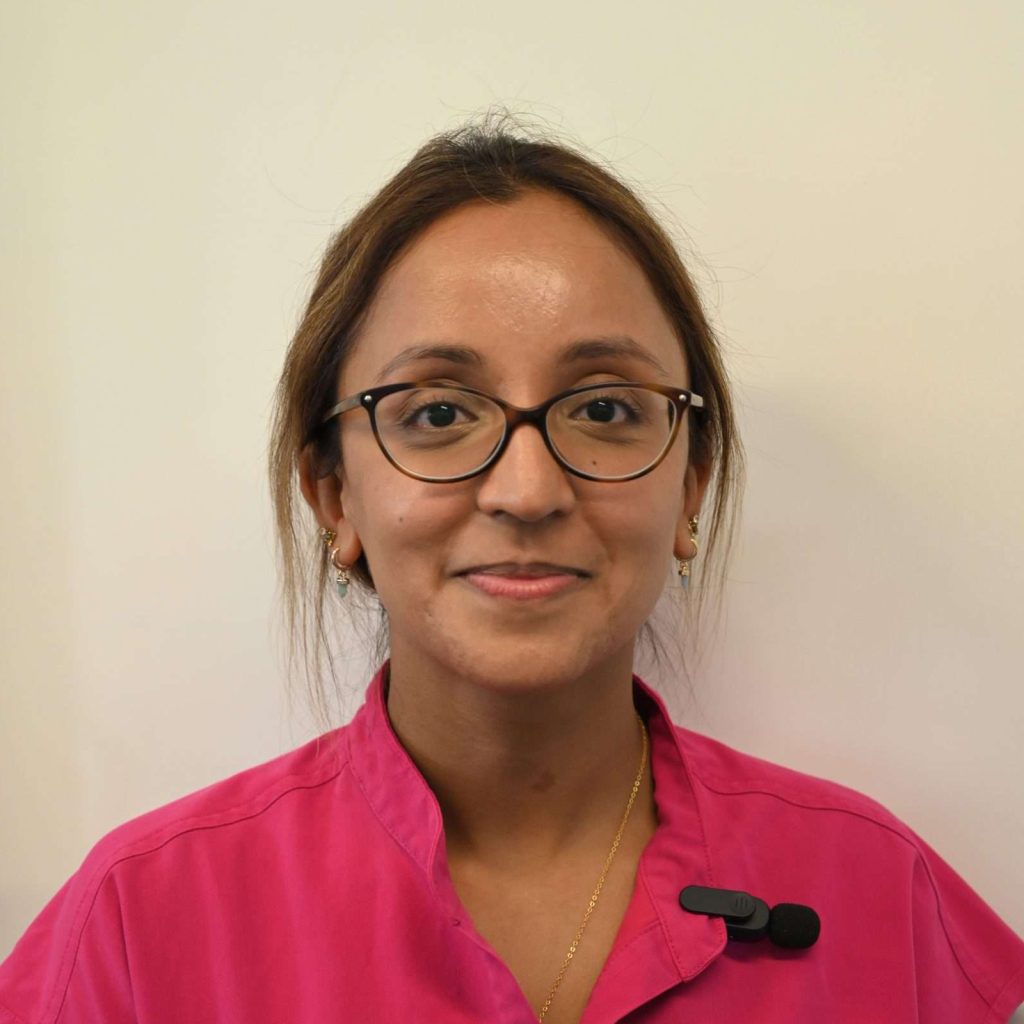
Dr Patel holds a MFDS (RCS Edinburgh), MSc (Oral Surgery) and PG Cert (Sedation & Pain Management). With 14 years of experience, she specialises in sedation and her goal is to create a calming and reassuring experience for every patient. She also teaches oral surgery to undergraduates at King’s College London. She enjoys swimming, travelling and home decor.
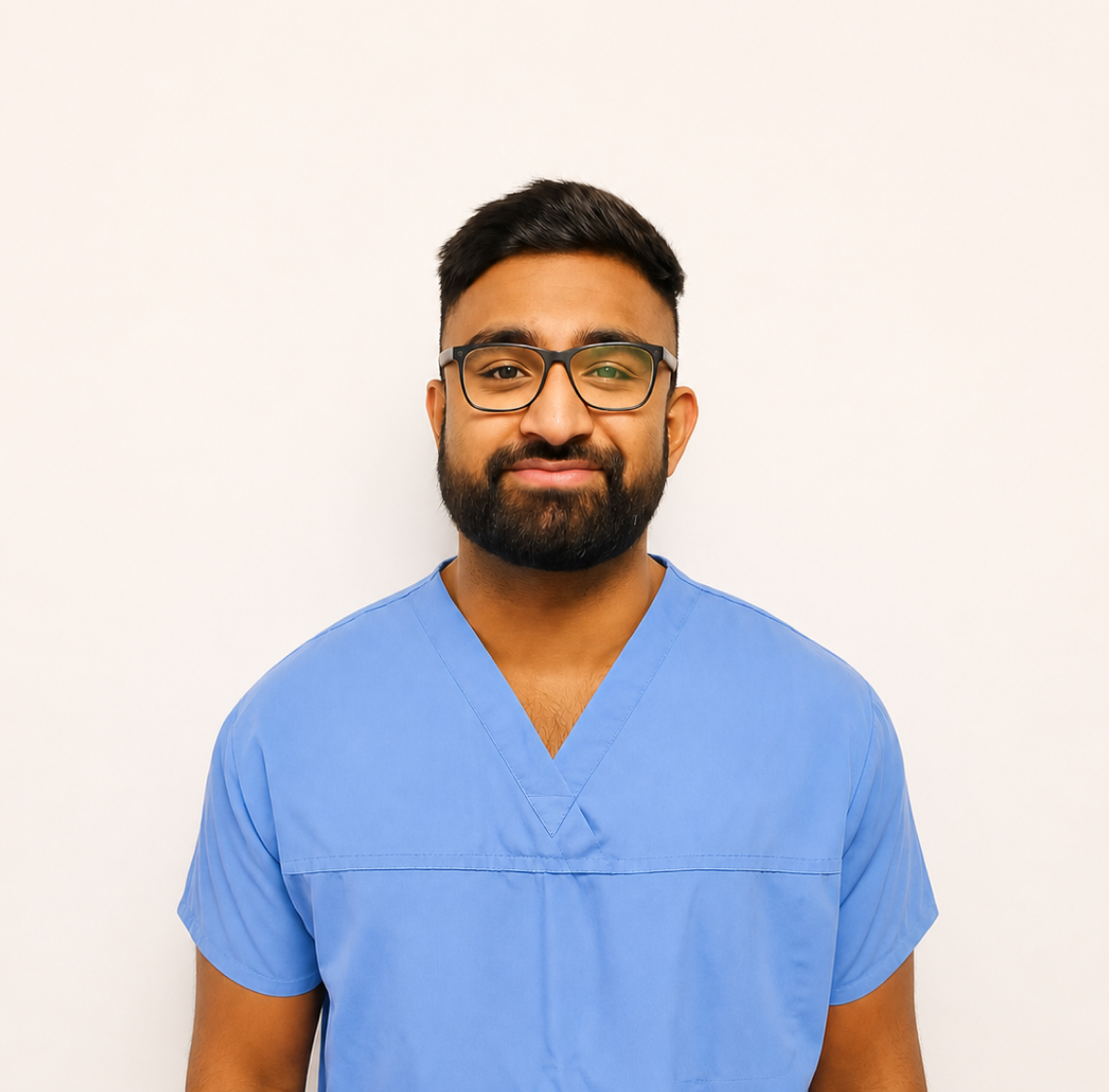
Dr Sivarajah qualified from Barts in 2016 and later trained extensively in oral and maxillofacial surgery. He spent a year training in a large trauma hospital before coming to Queen’s Hospital in Romford. He completed FDS exams (RCSEd) in 2018 and gained dental sedation certification from Eastman in 2019. He is dedicated to treating anxious and phobic patients.
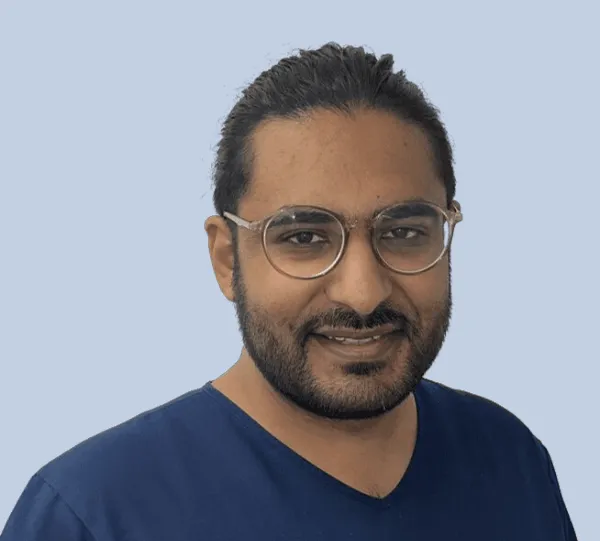
Dr Ali has worked in mixed practices since 2015 and completed multiple postgraduate courses including the Chris Orr restorative course. He provides cosmetic bonding, veneers, Invisalign Go and Cfast treatments and has diplomas in restorative dentistry and orthodontic/implant training. He enjoys current affairs, DIY, cricket, K-dramas, travelling and music.
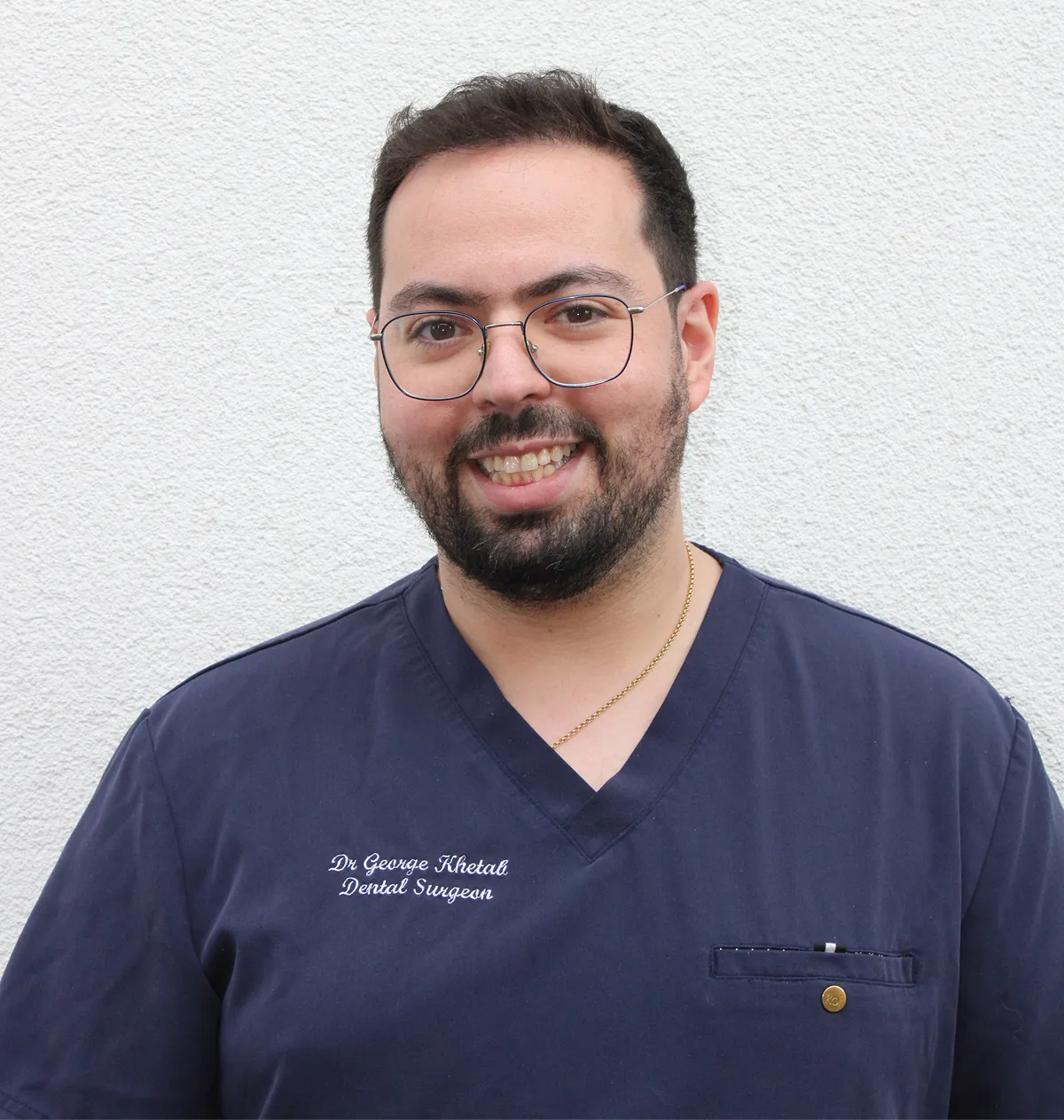
Dr Khetab graduated from the University of Debrecen in 2014 and has worked in both private and NHS settings. He holds a membership with the Royal College of Surgeons of Edinburgh and has completed postgraduate training in implants, full mouth rehabilitation and orthodontics treatments such as Invisalign. His work includes oral surgery, implants, adult orthodontics, cosmetic dentistry and digital smile design.
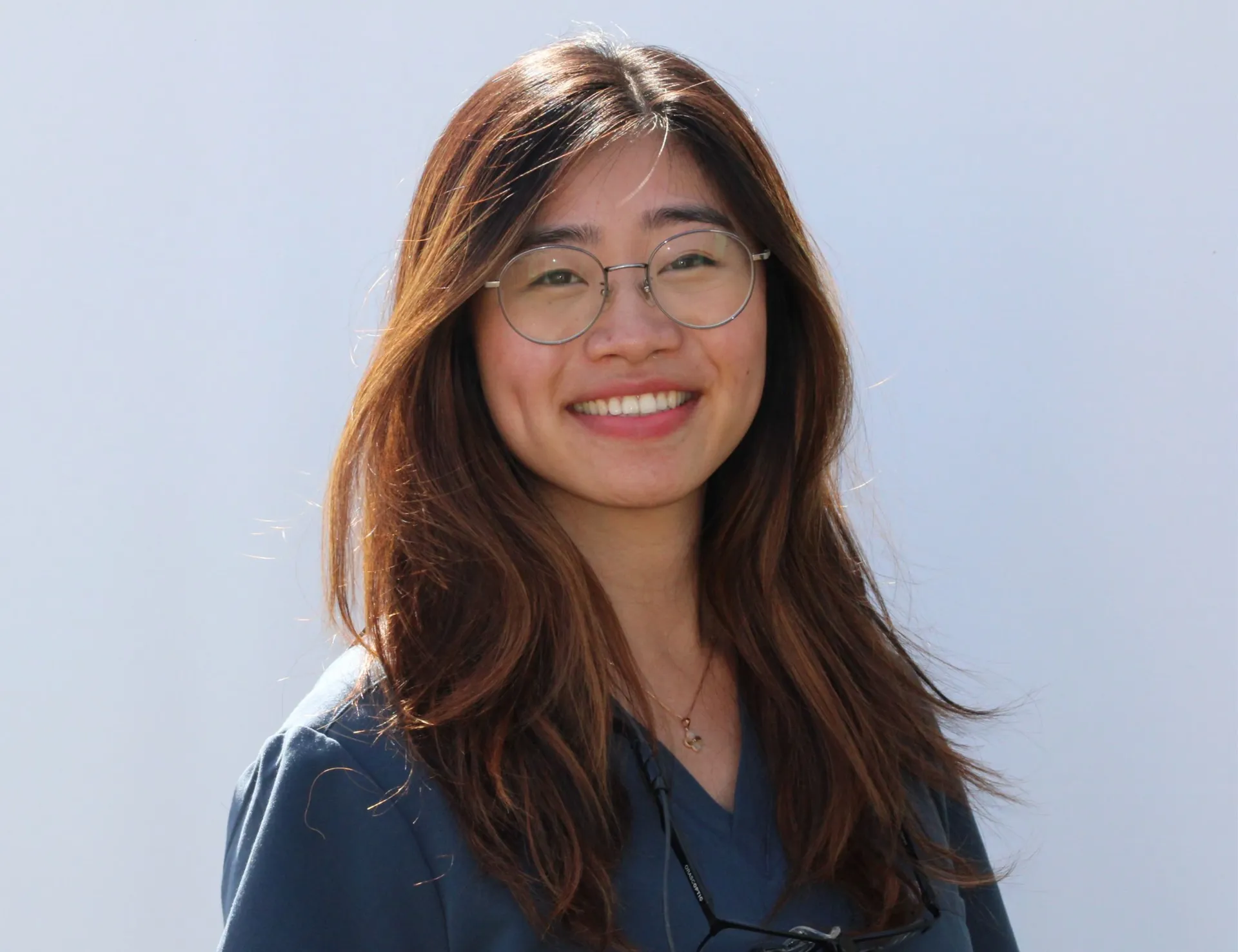
Dr Yong divides her time between general dentistry and special care dentistry. She has a passion for treating children and provides inhalation sedation. Outside work she enjoys exploring cities, hiking and discovering new foods.

Dr Olubajo graduated from Guy’s, King’s & St. Thomas’ in 2002. She has focussed her career on dental sedation to help anxious patients overcome past negative experiences and achieve a healthy and confident smile. She also provides cosmetic dentistry and Invisalign. She enjoys dancing and travelling.
Where is oral surgery available?
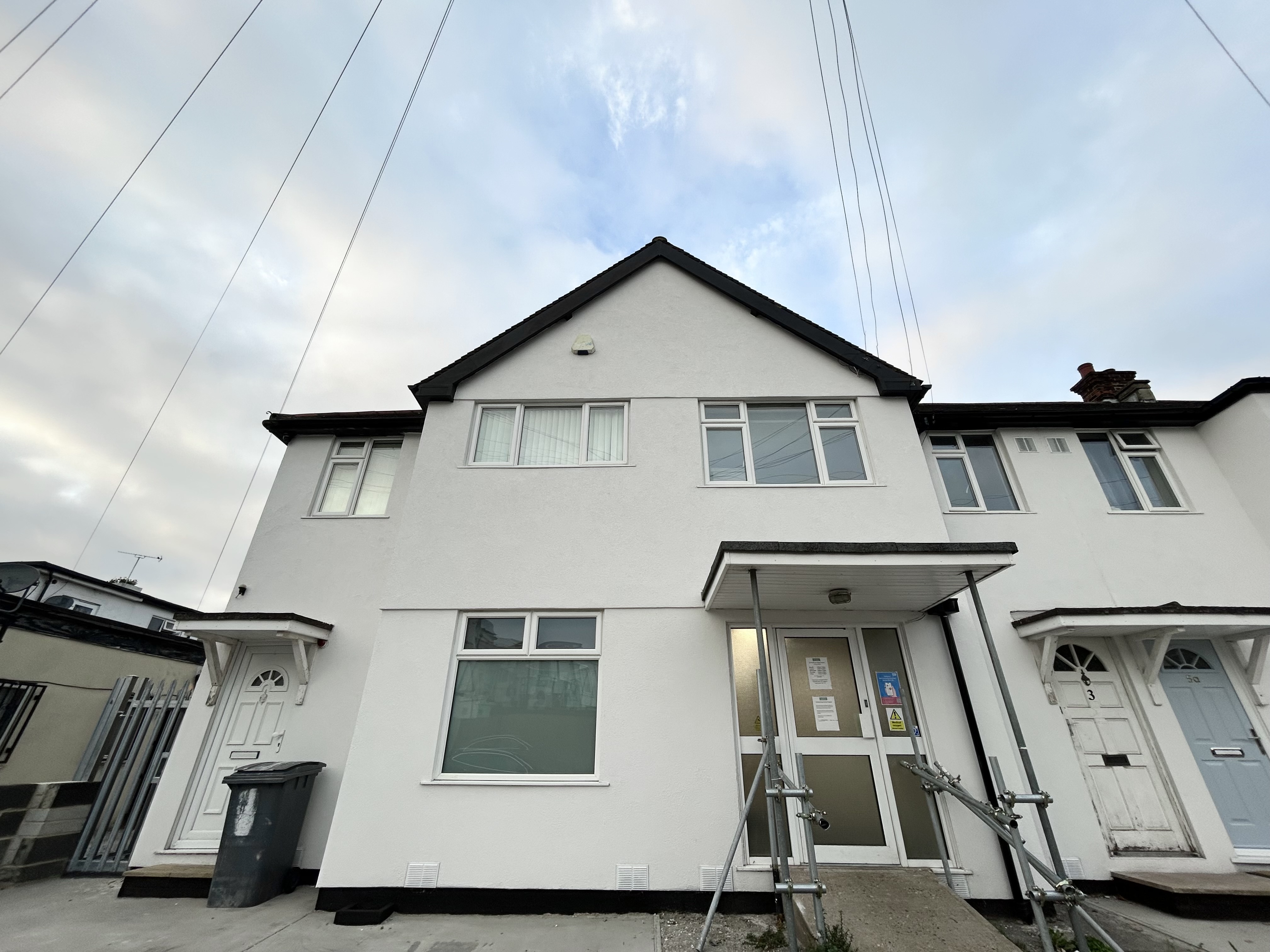
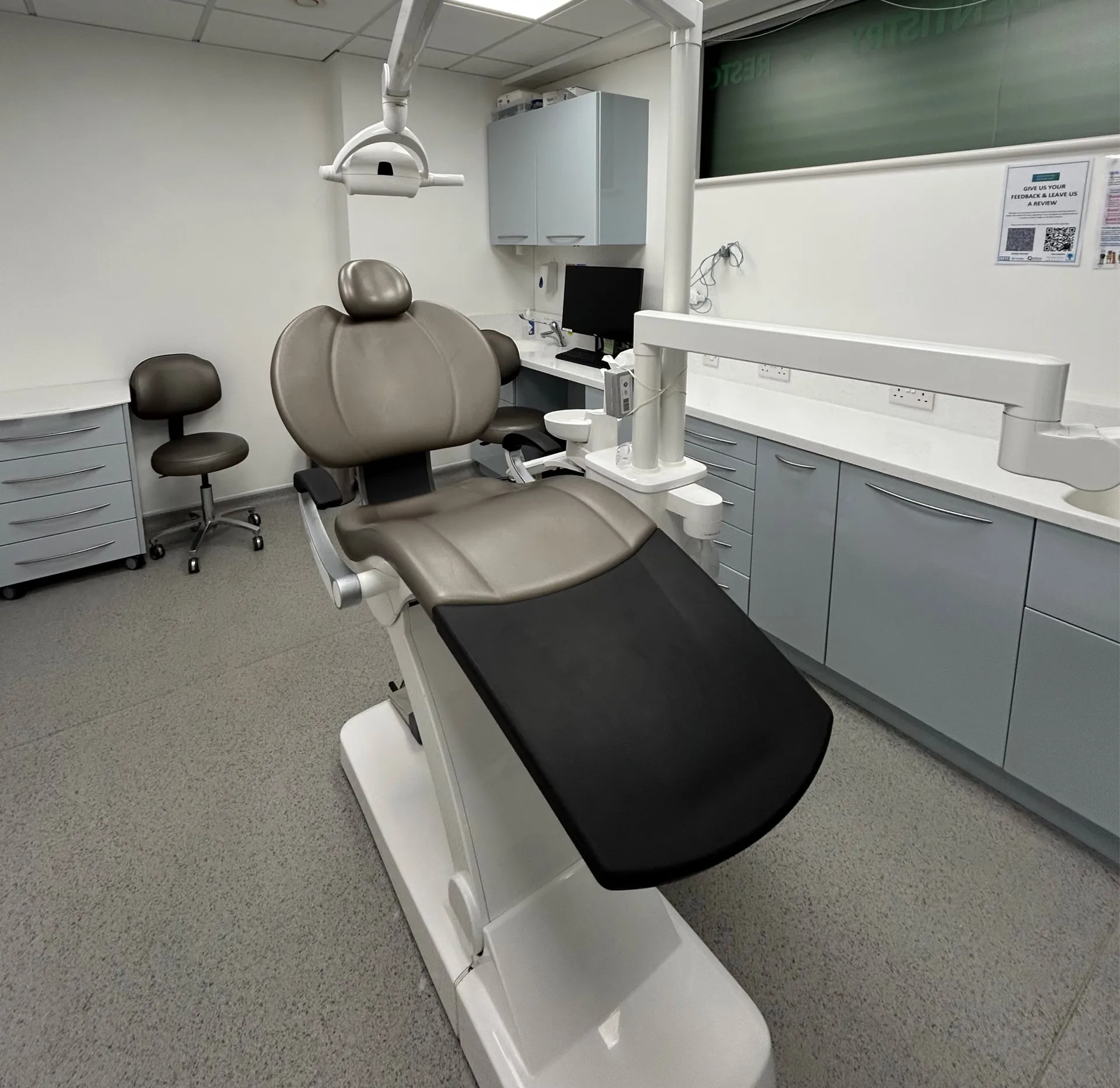
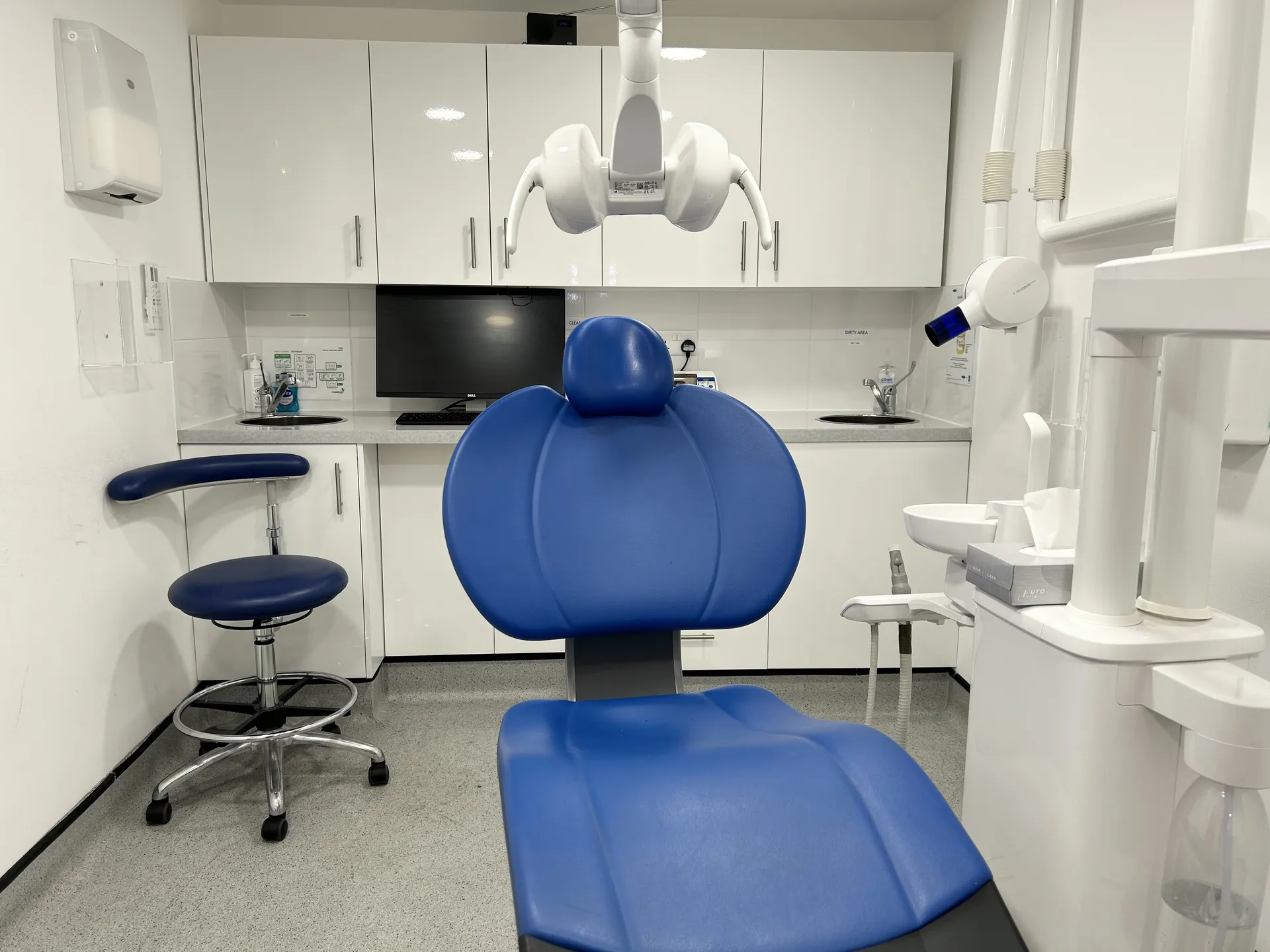
Straightforward extractions are available at all of our locations, with more complex oral surgery available at our sedation clinic in Whalebone Lane.
Can I book an appointment for oral surgery directly to avoid waiting / navigating NHS hospitals?
Yes. We do accept private direct access appointments if you need an advanced extraction or would like a second opinion. Please click the booking link for an oral surgery consultation or speak with one of our oral surgery treatment coordinators on 0208 599 4283.
.jpg)
How much does oral surgery cost?
The price of your oral surgery will vary depending on the treatment required but, as a guide, a wisdom tooth extraction costs between £180 - £299. Speak to your dentist for accurate costs relating to your personal surgery needs.

Have you thought about?
Dental anxiety management, having a dental plan, teeth whitening or implants.

Dental anxiety
Nearly half of adults feel anxious about visiting the dentist, which can lead to delaying essential treatment. At Essex Family Dental, our experienced team specialises in anxiety management and dental sedation, helping even the most nervous patients feel comfortable and supported. If you or a family member struggle with dental phobia, we offer a range of calming solutions to ensure you receive the care you need with confidence and ease.
.jpeg)
Dental plans
A dental plan makes it simple to stay on top of your oral health, even with a busy schedule. By planning routine care in advance, you can keep your teeth and gums healthy all year round with ease and confidence.

Implants
A dental implant is a small titanium post that replaces the root of a missing tooth. Once placed in the jawbone, it supports a colour-matched porcelain crown to seamlessly fill the gap. Implants offer a strong, long-lasting and natural-looking solution that restores both the appearance and function of your smile.
Teeth whitening
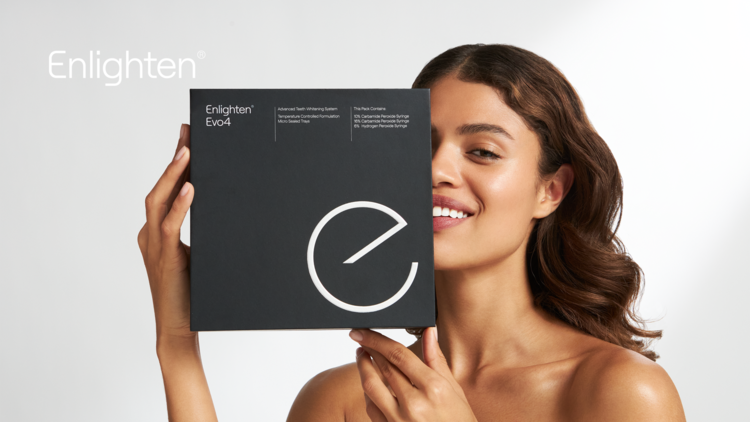
Teeth get stained over time, so teeth whitening is a good way to restore the natural whiteness that may have been dulled by red wine, tea or coffee. Our at-home whitening kits will give you reliable results quickly and will bring the brilliance back to your smile or, alternatively, you can opt for teeth whitening strips.
Frequently asked questions about oral surgery and extractions
This depends on the type of procedure you have. If only local anaesthetic is used, you can drive home afterwards without any issues. However, if you have a procedure carried out under sedation, you’ll need to ensure someone accompanies you home from your appointment as you’ll be unable to drive for a period afterwards.
Whilst this does depend on the procedure, the majority of patients are able to resume their usual activities straight away. Even so, we’d recommend taking things a little slower for the first couple of days to help your mouth to heal, so it’s best to avoid doing anything particularly strenuous during this time.
It’s not recommended to smoke straight after a tooth extraction as it can cause painful complications such as dry socket. It can also slow down the healing process. It’s best to wait for at least 24 to 72 hours before smoking a cigarette again or, if at all possible, avoid smoking entirely until your mouth has fully healed up – this could take up to a week or more.
Full post operative guidance can be found here.


