
Dentures at Essex Family Dental
Dentures have been a trusted solution for missing teeth for many years and, despite the development of multiple permanent treatments in recent decades, continue to hold a solid place in the dental arena.

What is a denture?
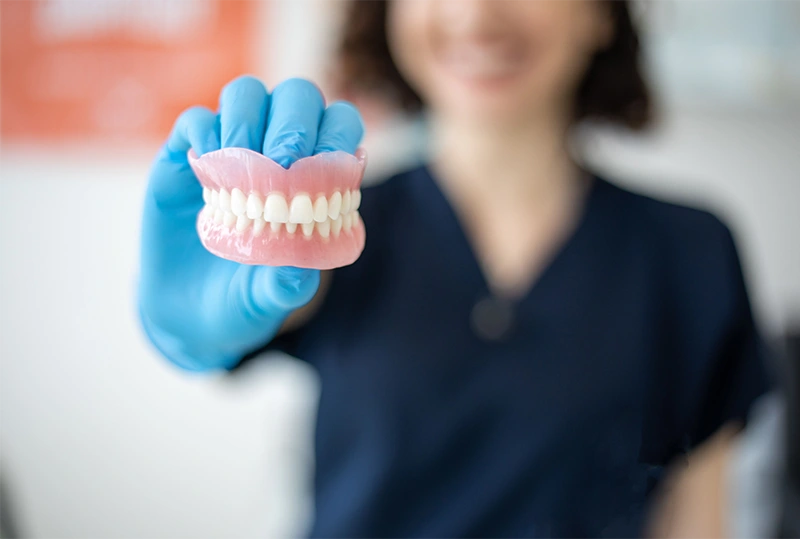
Dentures are custom-made appliances which are designed to replace missing teeth, whether that be an individual tooth or multiple teeth. Unlike implants or crowns, most dentures are removable and need to be taken out for cleaning and at night. They’re usually made from a mixture of materials such as acrylic resin, porcelain and / or metal, making them durable. The best dentures are available privately and look realistic in appearance.

Are there different types of dentures available?
Yes, there are a number of different denture options available:
Complete or full dentures
When all the teeth in either the upper or lower jaw need to be replaced, complete dentures can be used. A denture plate made of acrylic resin (plastic) sits on the gum and the replacement teeth are attached to this.
Partial dentures
These are used to fill gaps when only some of the natural teeth are missing or need to be replaced. The artificial teeth and gums might sit on a metal frame or an acrylic plate, depending on the requirement for the denture, and will attach to surrounding teeth.
Implant-supported dentures
Implant-supported dentures are the best dentures available and can either be removable or fixed. Removable options will snap onto the implants and can be taken out to be cleaned, whereas fixed options are screwed into the implant and tend to feel more natural.
What’s the benefit of having dentures?
Having dentures is a good option for many who have missing teeth. They sustain the patient's bite and help to keep the surrounding teeth healthy by preventing them from moving into the gaps. They're also an affordable solution.
If you're having trouble with your denture and would like advice, our specialist prosthodontist Dr Sami Bissasu - who also teaches at Queen Mary University London - can help! Speak to our treatment co-ordinators to book in a consultation.

Are there any benefits to having dentures instead of implants?
Implants are the gold standard in dentistry for replacing missing teeth, however, some may choose to have dentures instead of implants due to their affordability, as the upfront cost is cheaper than implants. Basic dentures are also available on the NHS, if deemed clinically necessary, and can be applied quickly (although there may be a need to wait for gums to heal after teeth have been removed). In some cases, dentures are used as temporary solutions to fill gaps in the teeth while waiting for an implant to be made.
What’s the process for having dentures fitted?
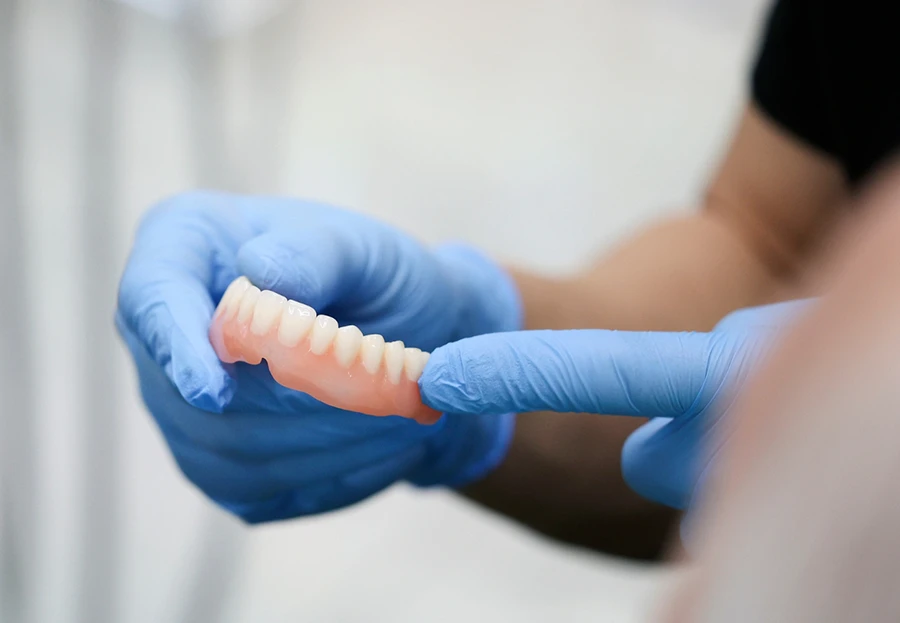
Dentures are designed for each patient individually. Your dentist will take an impression of your teeth, usually with dental putty, after which a technician will build the dentures for you. Alternatively, independent patients have the option to have their impression taken digitally using a digital scanner. This technique is more precise, ensuring the best fit and a more comfortable experience. In some cases, some teeth may need to be removed before any moulds can be taken, but this will only happen if they’re too decayed or loose to be saved. In these cases, it might be necessary to wait for the gums to heal before fitting the new dentures.
What maintenance is required for dentures?
With the exception of fixed implant-supported dentures, dentures are designed to be worn during the day and removed at night. They shouldn’t ever be allowed to dry out as they’ll become brittle, so it’s a good idea to pop them into a glass of cold water overnight. Further to this, just like with natural teeth, dentures need to be cared for and maintained to ensure they last – this involves brushing every surface thoroughly, soaking them and then brushing them again, and using denture cleaning solution to remove stains.

How much do dentures cost?
A basic NHS denture costs £332.10 for individuals who usually pay for their NHS dental treatments.
Independent dentures cost from £450 for a partial denture or £600 upwards for a full-arch denture.
Independent dentures require fewer appointments, look, feel and fit better and will last longer because they’re made from better materials. As we believe all patients deserve the very best health care, dentures are also available with 0%* finance options.

Where are dentures available with Essex Family Dental?
This treatment is available at the following practice locations:

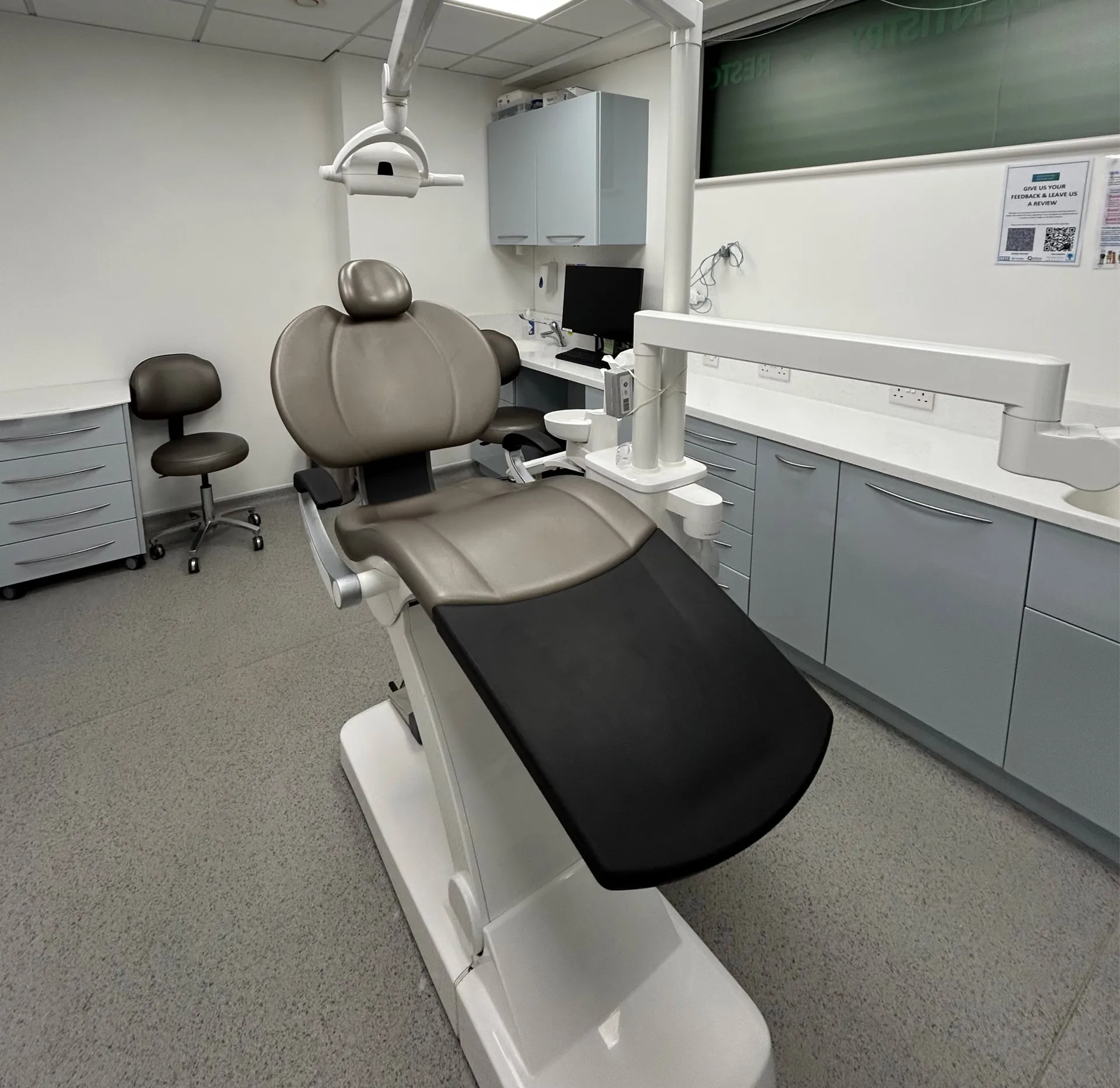
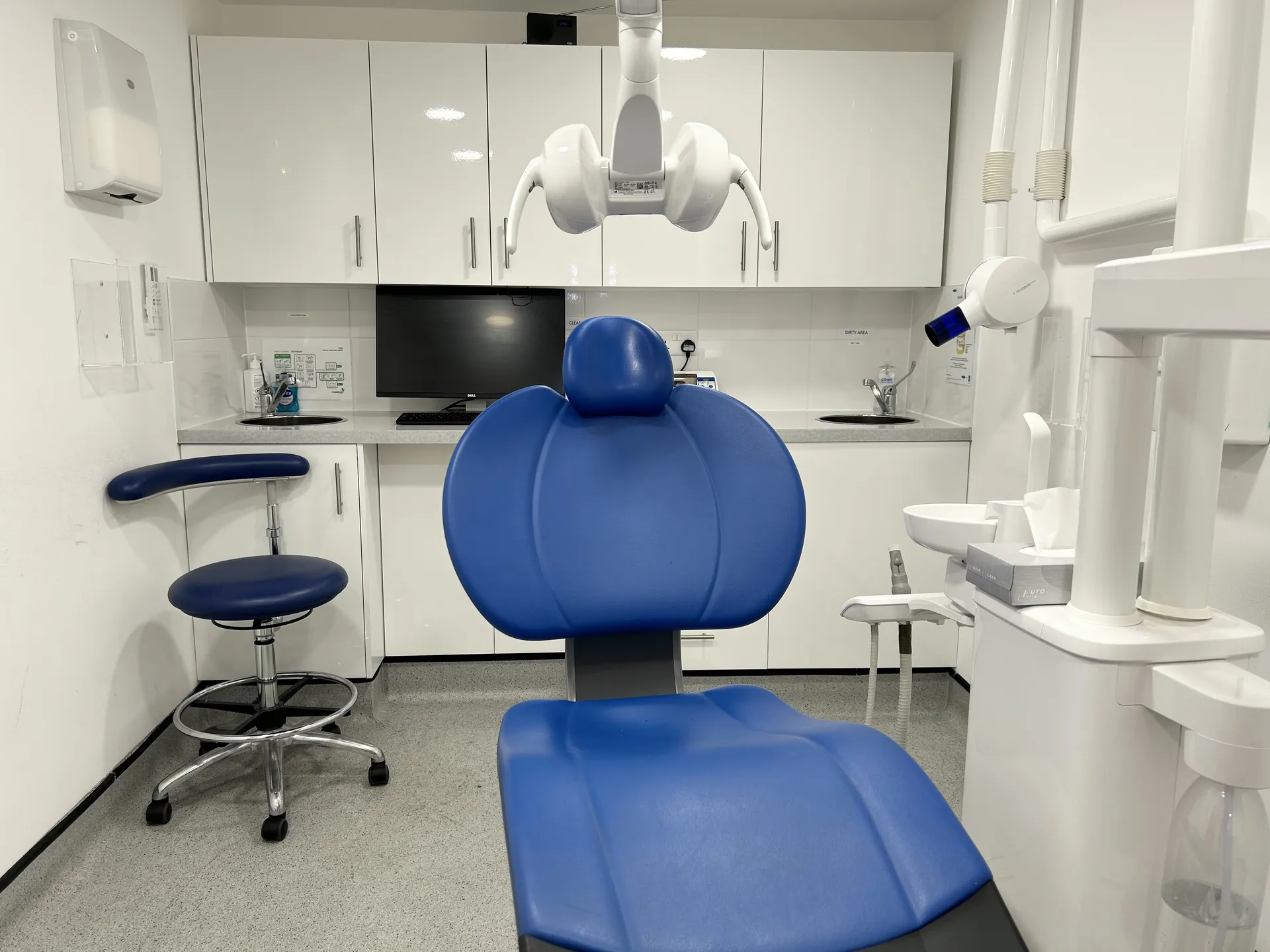
What other options are available to replace missing teeth?

Have you thought about?

Implants
A dental implant is a small titanium post that replaces the root of a missing tooth. Once placed in the jawbone, it supports a colour-matched porcelain crown to seamlessly fill the gap. Implants offer a strong, long-lasting and natural-looking solution that restores both the appearance and function of your smile.
Frequently asked questions about dentures
Most importantly, do not try and fix it yourself using glue or any DIY repair kits. This will likely cause additional damage and may even make it harder, if not impossible, for a professional to repair it. It’s best to contact us as soon as possible instead so that your dentist can carry out a professional assessment. Once they’ve evaluated the damage, they’ll advise you on the best solution, whether that be a repair or replacement.
This depends on the type of denture you have:
- Partial dentures are held in place using clasps that attach to adjacent teeth.
- Full upper dentures, which cover your entire palate, are held in place through the suction created by a thin layer of saliva, as well as your facial muscles and tongue.
- Full lower dentures are a little more difficult to keep in place due to there being less gum support but, with time and practise, you’ll learn how to balance the denture between your cheeks and tongue.
If you find that your dentures slip when you laugh or cough, you can bite down gently and swallow to reposition them. Denture adhesive cream can also provide extra security and boost your confidence during the adjustment period, although most people don’t require it.
If you’ve tried everything and still have concerns about the fit, be sure to consult your dentist or ask for an appointment with our specialist prosthodontist Dr Sami Bissasu.
Again, this depends on the type of denture you have, with implant supported dentures providing the most natural result. Generally speaking, however, dentures are crafted to closely mimic natural teeth and can enhance both your smile and overall facial appearance.
Looking after your dentures properly will help keep them clean, comfortable and long-lasting. This includes removing and cleaning them daily, keeping them in a moist environment when not in use, and maintaining good oral hygiene for your gums and any remaining teeth.
For full step-by-step guidance, you can download our denture care instructions here:
Download denture care instructions.
This guide covers important advice such as cleaning your dentures twice daily, soaking them correctly and avoiding damage during cleaning.
If your dentures become uncomfortable or damaged, we recommend booking an appointment so we can assess the fit and condition.
Immediate dentures are fitted on the same day as teeth are removed, so they require specific care during the healing period. This includes advice on managing bleeding, when to remove your dentures, how to clean them safely and how to get used to wearing them.
You can download our full immediate denture care guide here:
Download immediate denture aftercare instructions (PDF)
For example, you may be advised to leave your dentures in place for the first 24 hours and follow a soft diet initially while your mouth heals. If you experience persistent discomfort, swelling or difficulty wearing your dentures, please contact us for support.
After your immediate dentures are fitted, your dentist may advise keeping them in place for the first 24 hours to help protect the gums and control swelling. During this time, avoid rinsing your mouth or drinking hot liquids for the first few hours, and follow any pain relief advice given by your dentist.
The following day, you can gently remove the dentures to clean them and begin rinsing your mouth with warm salt water to support healing. It’s also normal to take a little time to adjust to speaking and eating with your new dentures, so start with softer foods and gradually return to your normal diet.
You can read more detailed guidance about caring for your dentures here.


