
Wisdom teeth removal at Essex Family Dental
Wisdom teeth - the third molars at the back of your mouth - are the last teeth to come through and, therefore, don’t appear for most people until their teens or mid-twenties. Because of this delay, there isn’t always enough space for them in the mouth and they might not grow in properly. This may result in wisdom teeth that are impacted (where they’ve grown in at an angle), only partially come through the gums or are blocked by other teeth. Whilst impacted wisdom teeth don’t always need to be removed, your dentist may recommend removal if they’re giving you pain or are causing swelling, cysts or infection in and around the gum. Wisdom teeth removal is an extremely common procedure in the UK and is usually carried out in the teens or early twenties, as most issues with wisdom teeth happen when they first come through. Even so, problems with wisdom teeth can arise at any time.

What’s the process to have wisdom teeth removed?
You’ll first require an x-ray of your mouth before any teeth can be removed as your dentist will need to see exactly where your tooth is positioned in the gum. Depending on the results of your x-ray, your dentist will make an incision to your gum, remove the tooth / teeth and stitch up the gap in your gum using dissolvable stitches. Your appointment will usually last for 30 minutes and, for the majority of cases, will be completed using just a local anesthetic injection - this means you’ll remain awake but your gum will be numbed so that you don’t feel any discomfort.
Can I have my wisdom teeth removed under the NHS?
If you’re eligible for NHS treatment then yes, there are general NHS dentists with experience to remove your wisdom teeth as long as they are not impacted and don’t require oral surgery. This costs £76.60 per treatment appointment unless you’re exempt.

What’s the benefit of having my wisdom teeth removed as a private treatment?
It goes without saying that if you’re not eligible for NHS treatment then a private treatment would be your only option. However, if you are eligible for NHS treatment, why go private at an additional cost? There are some very good reasons.
The biggest reason is the wait times. If you’ve been referred to the hospital for an NHS extraction service, perhaps because your wisdom teeth are impacted, you’ll unfortunately have to wait for over a year for your appointment, possibly up to 18 months. This is a long time to live with tooth pain, so it would be understandable if you preferred to undertake the procedure sooner.
.jpg)
Why choose an Essex Family Dental dentist for my wisdom tooth removal?
Not only are our dentists highly experienced and skilled in their field, they are also specialists in wisdom teeth extraction and they have access to a CBCT (Cone Beam Computed Tomography) scanner that uses x-rays to create 3D images of the body. This enables our dentists to precisely locate the roots of the teeth in relation to the nerves in the jaw and create the very best plan for your extraction. We also have a sedation clinic available for those patients who require it, without the need to be referred elsewhere.

Where can I have my wisdom teeth removed?
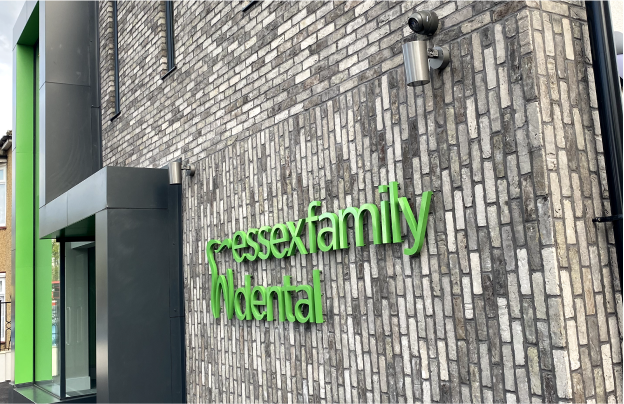
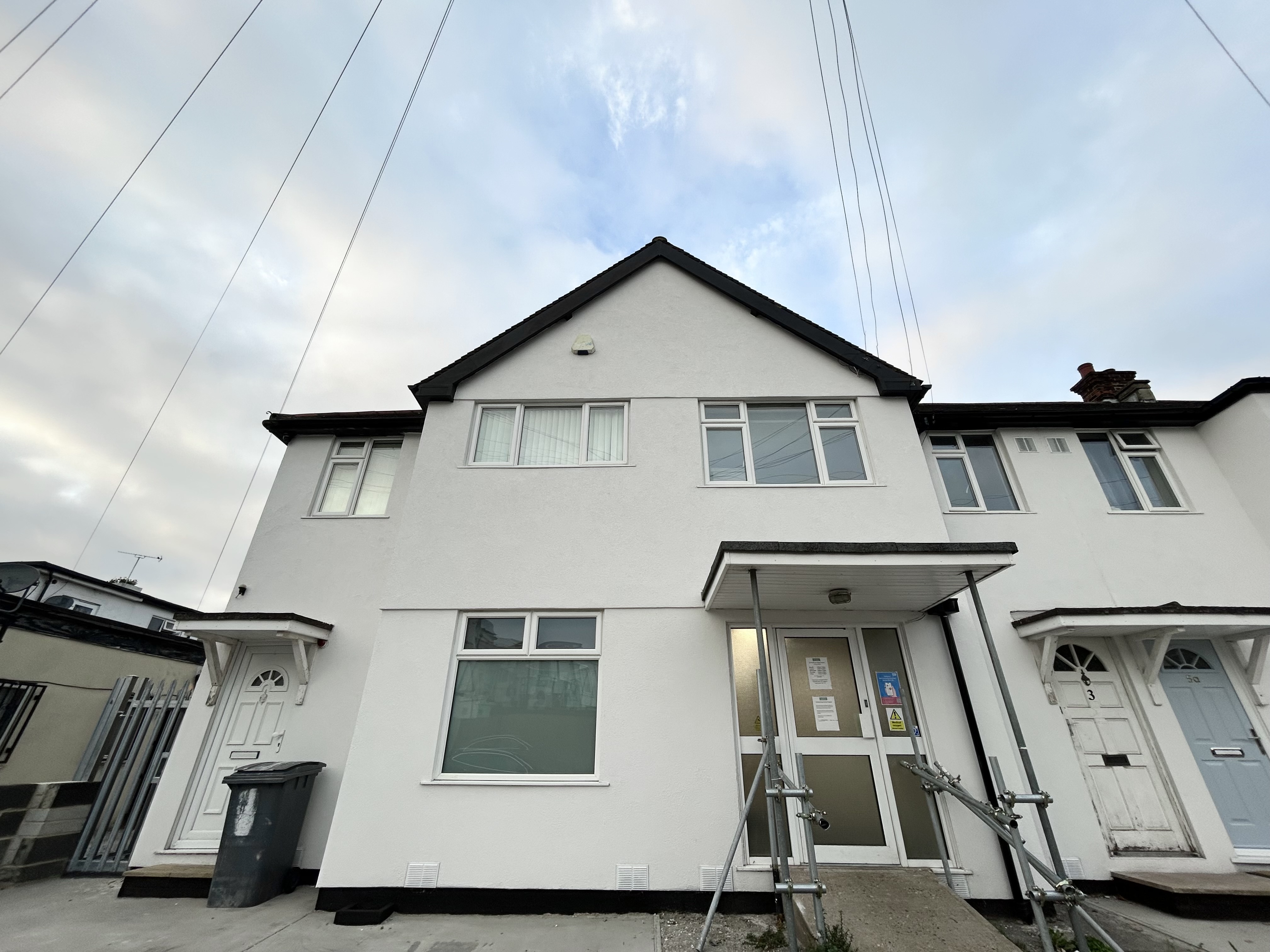
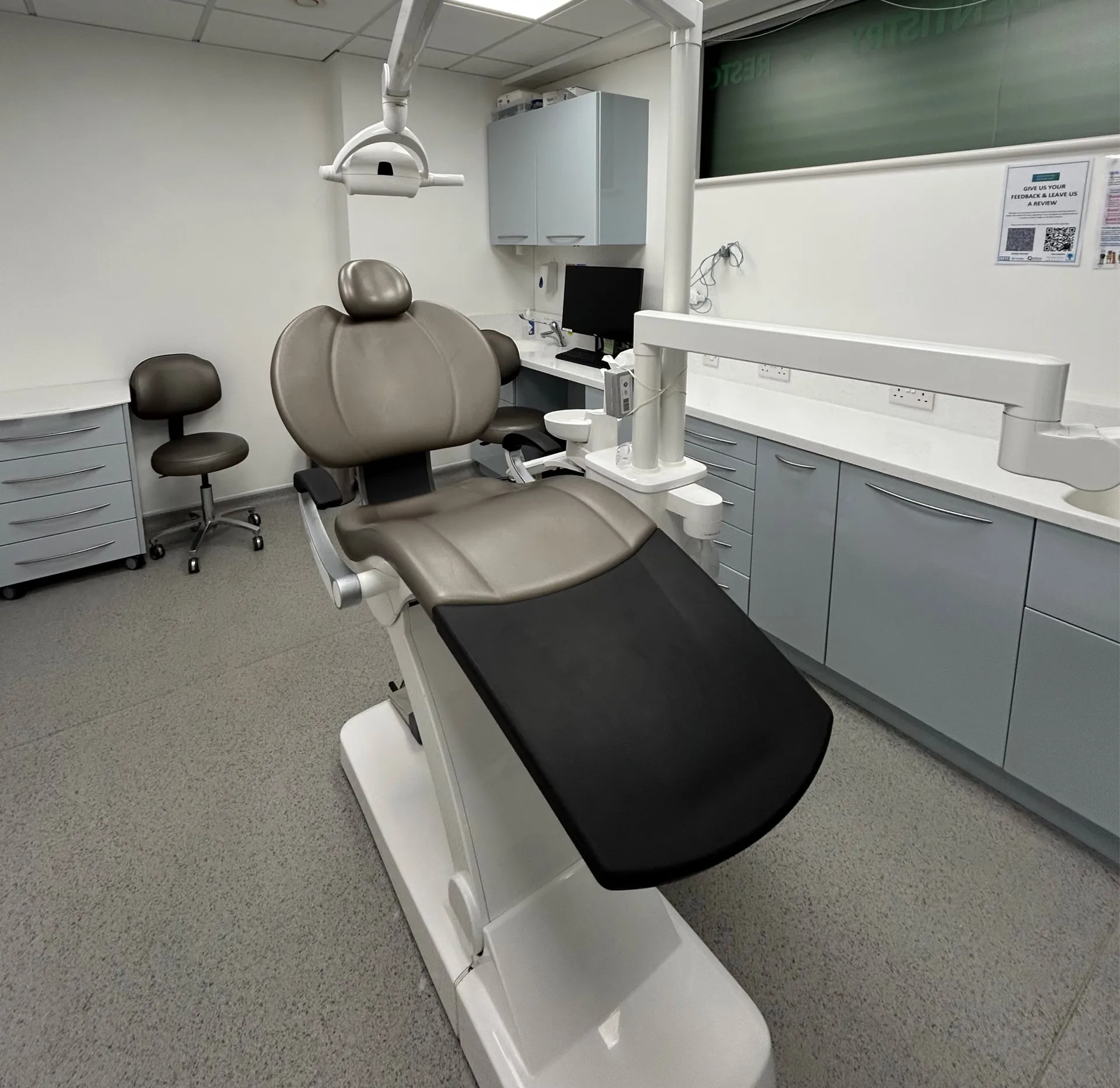
This treatment is available at the following practice locations:
Have you thought about?
Dental anxiety management, a dental plan, whitening, implants.

Dental anxiety
Nearly half of adults feel anxious about visiting the dentist, which can lead to delaying essential treatment. At Essex Family Dental, our experienced team specialises in anxiety management and dental sedation, helping even the most nervous patients feel comfortable and supported. If you or a family member struggle with dental phobia, we offer a range of calming solutions to ensure you receive the care you need with confidence and ease.
.jpeg)
Dental plans
A dental plan makes it simple to stay on top of your oral health, even with a busy schedule. By planning routine care in advance, you can keep your teeth and gums healthy all year round with ease and confidence.

Implants
A dental implant is a small titanium post that replaces the root of a missing tooth. Once placed in the jawbone, it supports a colour-matched porcelain crown to seamlessly fill the gap. Implants offer a strong, long-lasting and natural-looking solution that restores both the appearance and function of your smile.

Teeth whitening
Teeth get stained over time, so teeth whitening is a good way to restore the natural whiteness that may have been dulled by red wine, tea or coffee. Our at-home whitening kits will give you reliable results quickly and will bring the brilliance back to your smile or, alternatively, you can opt for teeth whitening strips.
Frequently asked questions about wisdom teeth removal
Though the timing can vary, wisdom teeth usually come in somewhere between the ages of 17 and 25. In some cases they may develop later, whereas other individuals might never have them erupt. You may be surprised to learn, however, that despite their tardy appearance, your wisdom teeth actually start developing much sooner; often between the ages of 7 and 10.
You can expect to experience some pain and swelling in your mouth during the initial aftermath but this will usually subside within a day or two and can be treated at home using over-the-counter painkillers (ibuprofen or paracetamol). Otherwise you might feel some soreness in your jaw, have a little bruising on your cheek or feel some discomfort when chewing and eating food. Our friendly and highly experienced team will give you all the information you need to help you prepare you for your appointment and look after your wounds after the procedure has been completed.
For most cases, yes. If your procedure is completed using only local anaesthetic, you’ll be fine to drive home afterwards. If you have your wisdom teeth taken out under sedation, however, you should arrange for someone to accompany you on your journey home.
Whilst the majority of patients are able to resume their usual activities immediately, we do advise individuals to take it easy for the first 48 hours as this will support healing. It's therefore best to avoid doing anything too strenuous during that time.
Smoking right after a tooth extraction isn’t recommended as it can slow down healing and raise the risk of complications such as dry socket, which is quite painful. To give your mouth the best chance to heal, it’s best to hold off on smoking for at least 24 to 72 hours after your extraction. Even better, try to avoid it altogether until the area’s fully healed, which might take a week or more.
Full post operative guidance can be found here.


