
What is a bridge?
As the name suggests, a bridge is a replacement tooth that literally bridges a gap in your teeth. There are a few types of bridges available but, essentially, the replacement tooth sits on your gum and is adhered to the surrounding teeth, whether they be natural teeth, crowns or implants. Bridges are usually made fully of porcelain or of porcelain fused onto metal and the colour, size and shape are matched to your original teeth to ensure they blend in with your natural smile.
%20(1).avif)
Why are bridges needed?
Bridges are a popular solution to restore missing teeth without undergoing surgery (which would be required for an implant). Not only do bridges help to boost your confidence by giving you back your smile, they also:
- improve oral functions such as chewing, biting and talking
- prevent the surrounding teeth from moving into the gap; and
- preserve the natural structure of your face
.jpeg)
What options are available?
Traditional bridge: Crowns are installed onto the natural teeth on either side of the gap and then the replacement tooth (or teeth) is attached to the crowns on both sides.
Cantilever bridge: This is almost the same as a traditional bridge, however, a crown is only installed on one side of the gap and the new tooth is attached to this crown only. This isn’t as strong as a traditional bridge but might be a preferable option if support is not needed on both sides.
Implant supported bridge: This is very similar to a traditional bridge except that implants are fitted into the mouth before the crown is installed. This is usually done if the surrounding natural teeth aren’t strong enough to support a crown. This process takes longer than traditional bridges as recovery time is needed to ensure the implants are fully fused to the jaw and ready for the crowns.
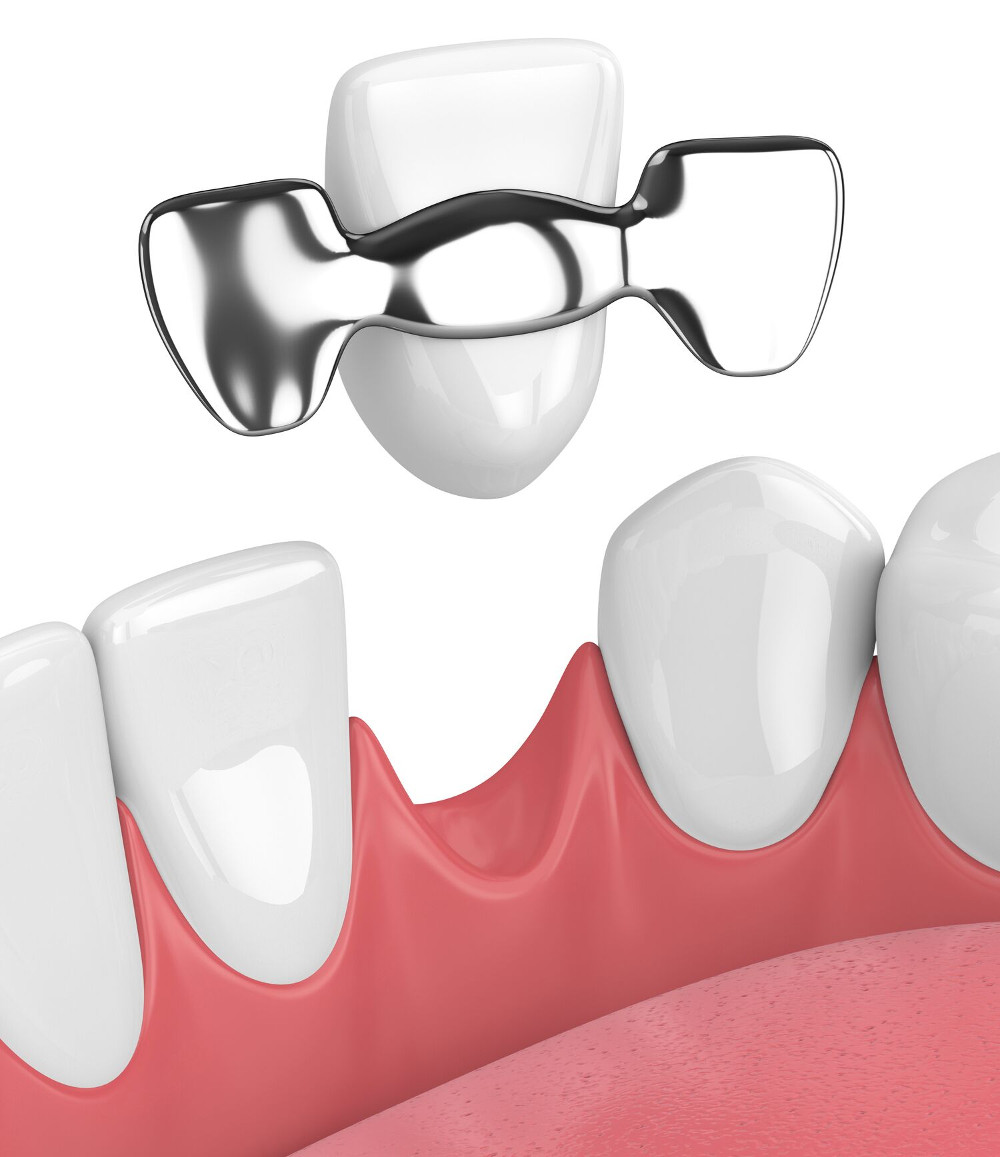
Maryland bridge: Also known as a resin-bonded fixed partial denture, a Maryland bridge doesn’t involve crowns. Instead it attaches to the natural teeth on either side of the gap using metal wings that sit behind them. This isn’t as strong as a traditional bridge and can therefore only be used for non-chewing teeth such as front teeth, but might be the preferred treatment choice if you don’t require crowns and you’d prefer to limit the impact to your adjacent teeth.
What’s the procedure to have a bridge fitted?
You’ll first have a consultation with your dentist, during which they’ll discuss your goals with you, carry out an examination and take some digital scans and x-rays using our state of the art digital diagnostic equipment. Your dentist will explain which options are available and outline the next steps.
Depending on the type of bridge you’re having, your teeth will be prepared as necessary - so if you’re having a traditional bridge, your dentist will prepare your adjacent teeth for crowns by removing some of the enamel under local anesthetic and, if implants are needed, your jaw will be prepared. Impressions will be taken of your teeth and sent off to the lab so that your bridge can be made and you’ll be provided with a temporary bridge in the meantime. Once your new bridge has been returned from the lab, your dentist will check that it looks and feels how you expect before cementing it permanently into place.
How much do dental bridges cost?
The price varies depending on the type of bridge you opt for, however, as a general guide, bridge prices start from approx. £319.10 with 0% finance* payment options available. During your dental check-up you will be advised about bridge suitability and provided with all costs for any treatment.

Where can I get a bridge?
This treatment is available at the following practice locations:

What alternatives to dental bridges are available?
There are a few different ways to replace missing teeth, so it’s a good idea to look at all of the options and talk them through with your dentist who will help you figure out the best option for you. Alternatives to bridges include:
- full or partial dentures
- dental implants, which are the most permanent and reliable solution available. Not only do they resolve the same issues as a bridge but they’re the most natural-looking treatment available and will last for many, many years to come.

Have you thought about?
Private dentistry, a dental implant, teeth whitening or a dental plan subscription.

Implants
A dental implant is a small titanium post that replaces the root of a missing tooth. Once placed in the jawbone, it supports a colour-matched porcelain crown to seamlessly fill the gap. Implants offer a strong, long-lasting and natural-looking solution that restores both the appearance and function of your smile.
.jpeg)
Dental plans
A dental plan makes it simple to stay on top of your oral health, even with a busy schedule. By planning routine care in advance, you can keep your teeth and gums healthy all year round with ease and confidence.

Private dentistry
Private dental treatment is more accessible than many people realise, offering longer appointments, greater flexibility and the option for same-day availability, all as part of our premium, personalised service.
Teeth whitening
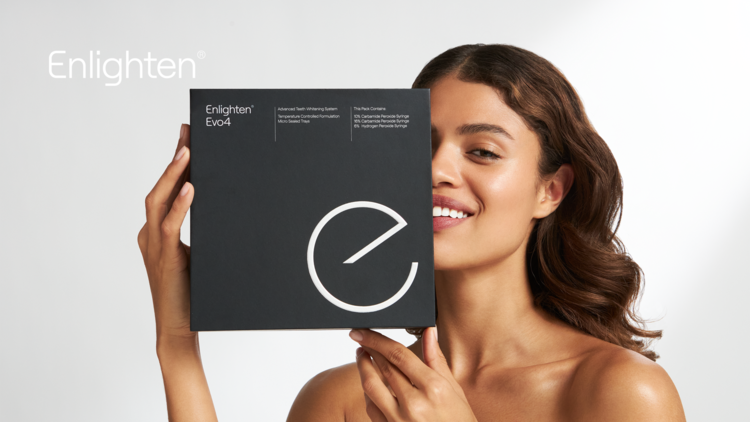
Teeth get stained over time, so teeth whitening is a good way to restore the natural whiteness that may have been dulled by red wine, tea or coffee. Our at-home whitening kits will give you reliable results quickly and will bring the brilliance back to your smile or, alternatively, you can opt for teeth whitening strips.
Frequently asked questions about bridges
Your dentist will use a local anaesthetic when preparing and fitting your dental bridge to alleviate any pain and remove as much discomfort as possible. You’ll find that having a dental bridge put in will feel very similar to having a filling done.
With good care, a bridge can last for many years. As bridges are fixed in place, you don’t take them out to clean them like you would with a denture. You simply brush and floss in the same way as you would your natural teeth, with extra attention given to the space underneath your bridge using a special dental floss. Your dentist or hygienist will be able to show you how to do this properly.
You might feel some soreness in your gum or a little sensitivity to hot or cold food and drinks straight after your bridge has been placed. The new tooth itself may feel a little unusual or bulky in your mouth and you might experience slight discomfort when biting down. However, these sensations usually settle down within a few days and, once you’ve adjusted, your bridge will feel as comfortable and functional as your natural teeth.


