
Fillings at Essex Family Dental
Dental fillings are a very common procedure, with the vast majority of adults in the UK having at least one filling in their teeth. Various types of fillings are available to suit every budget, whether you choose to have it done under the NHS or privately.
.jpg)
What is a dental filling?
As indicated by the name, fillings fill the cavities in the tooth where the natural tooth structure is missing. This is usually needed because of decay in the tooth, but it may also be required to repair cracks or injuries or, in some cases, the issues caused by repetitive habits such as teeth-grinding or nail-biting. Your dentist will gently remove the decayed or damaged part of your tooth before applying the filling. Not only will this restore your smile, but it’ll also help to stop the pain, protect your tooth and enable you to use the tooth as usual.

What types of dental fillings are available?
There are a few different options available, each of which has its own benefits, whether that be strength, longevity or natural appearance. Your dentist will talk you through the best options for your situation during your visit.
.jpg)
.jpg)

What is Curodont / enamel Repair?
Curodont Repair is a different approach to a standard filling that uses patented technology called Guided Enamel Regeneration. It’s a non-invasive treatment that targets early tooth decay that hasn’t yet led to cavities - often identified as white spot lesions on the tooth. The goal of Curodont Repair is to prevent these lesions on the tooth from developing into cavities by promoting regeneration of the enamel. A thick liquid is diffused into the lesions which then naturally attracts calcium and phosphate ions from saliva. This promotes the regeneration of enamel and the rebuilding of lost tooth structure.
Curodont Repair has a high clinical success rate, with damage stopped in 93% of cases and reversed in up to 45%, according to clinical studies. With no known side effects, it can even be used for children and only costs £120, which is less than a composite filling would cost once needed.
How can I choose the best filling material for me?
The first step is to have a consultation with your dentist. During this consultation, your dentist will examine your mouth and carry out any necessary x-rays. You may also wish to have a digital diagnostics scan; this will ensure that every issue is clearly visible and accurately identified and will really help you to visualise what your treatment will look like. Then, taking into consideration your dental objectives, your dentist will advise you about your treatment and filling material options. Typically you’ll have the treatment carried out using local anaesthetic but, for patients who feel especially nervous, treatment is also possible under sedation at our sedation centre for your comfort.
.avif)
Can I replace my silver amalgam fillings for white ones?
Yes. If you have an old silver filling already, it can be replaced with a natural looking tooth-coloured filling. There are a number of reasons that some of our patients choose to have this done:
- Silver fillings make them feel self-conscious and they would rather feel good about how their teeth look.
- They wish to avoid the amalgam material because, even though it’s considered safe by health organisations, it contains mercury and metals.
- Silver fillings can expand and contract when eating something too hot or too cold and, over time, this movement can result in tooth sensitivity and even microfractures in the the teeth.
-1920.webp)
Where can I have my fillings done?
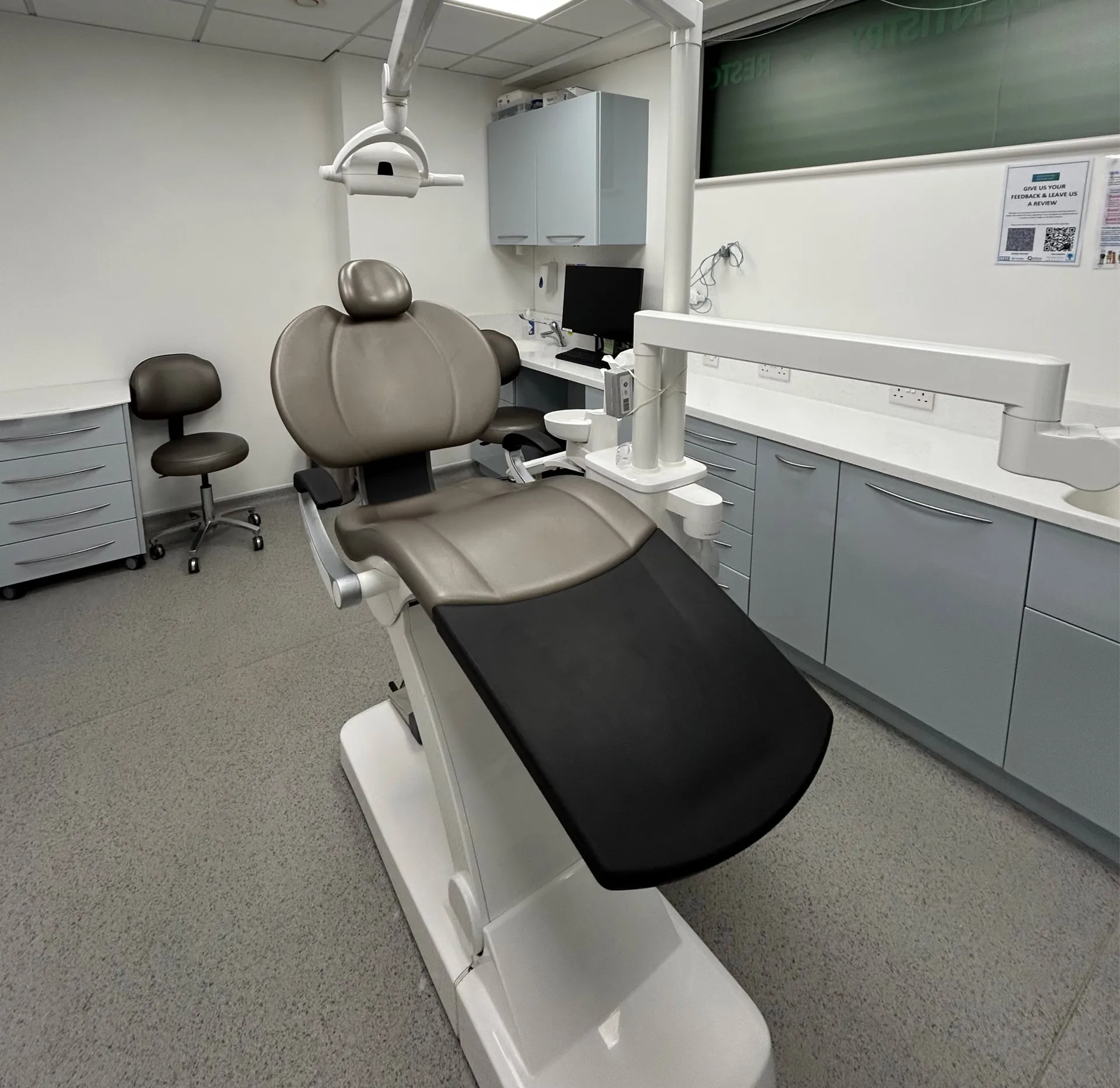
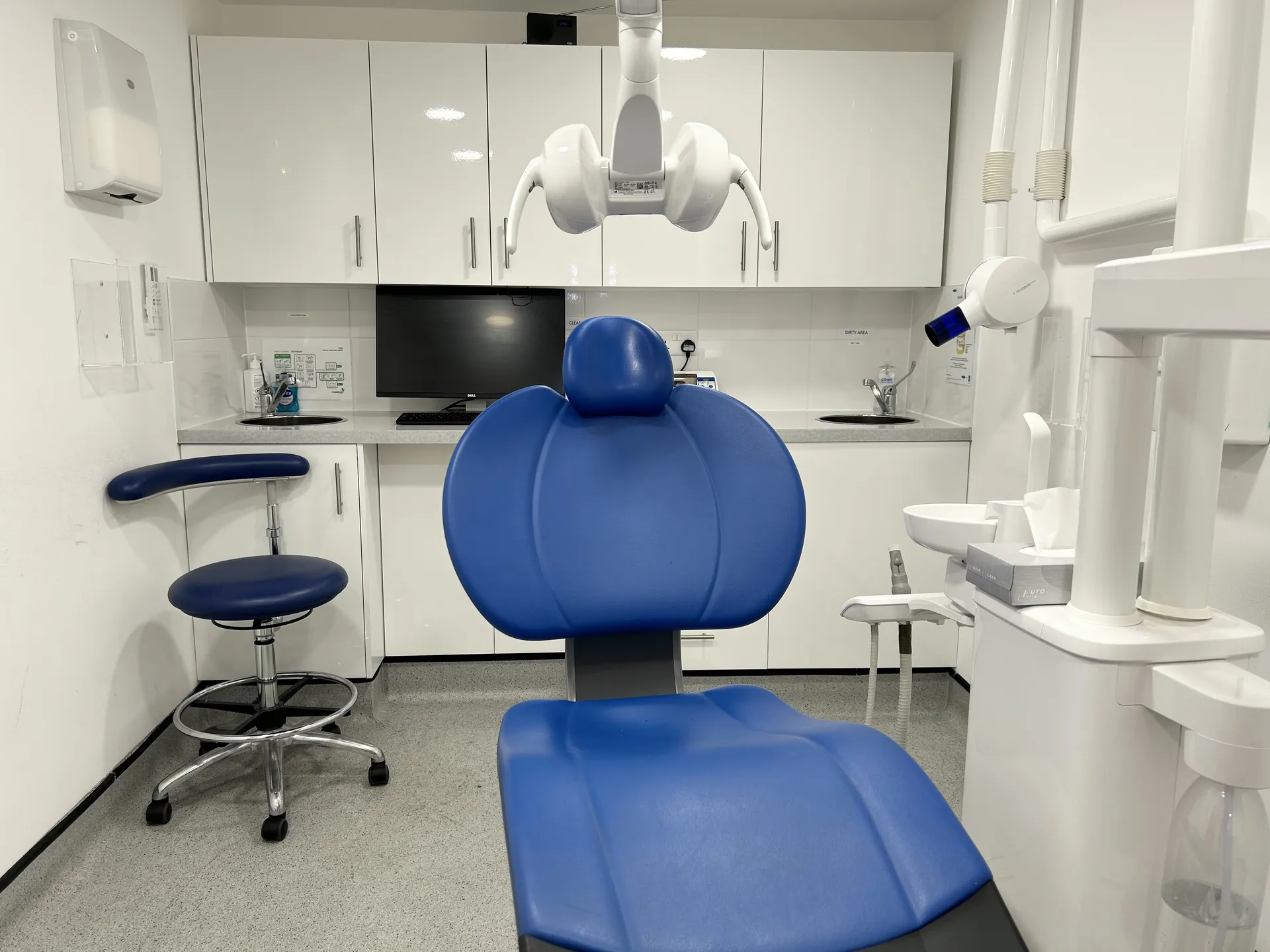
This treatment is available at the following practice locations:



Can I book an appointment for a filling treatment under sedation directly, without the need to wait for a referral?
Yes. We do accept private direct access appointments if you need a filling. Please click here to book a sedation consultation or, alternatively, you can speak with one of our treatment coordinators on 0208 599 4283 about your private treatment under sedation.

How much does a dental filling cost?
The price of your dental filling will vary depending on your choice of material and the size of the area being filled but, as a guide, a composite filling costs between £140 and £160. As everyone deserves access to the best care, we offer flexible finance options and several payment methods to suit you. Ask your dentist for accurate costs relating to your personal needs.

Have you thought about?
Dental treatments such as teeth whitening, hygienist cleans and composite bonding.

Teeth whitening
Teeth get stained over time, so teeth whitening is a good way to restore the natural whiteness that may have been dulled by red wine, tea or coffee. Our at-home whitening kits will give you reliable results quickly and will bring the brilliance back to your smile or, alternatively, you can opt for teeth whitening strips.

Composite bonding
If you’ve been dreaming of the perfect smile but don’t want to undergo any permanent procedures that involve removal of part of the tooth, then composite bonding might be the best solution to bring out the best in your smile. Composite bonding is a non-invasive tooth restoration treatment that changes the shape and colour of your teeth through the application of a tooth-coloured resin onto the tooth’s natural surface, whilst also protecting the integrity of your natural teeth.
.jpg)
Hygiene appointments
Regular hygiene visits help keep your teeth clean, bright and free from staining while also supporting the long-term health of your gums. Attending appointments at least every six months—alongside routine dental check-ups and good home care—reduces the risk of gum disease, improves overall oral health and helps maintain a fresh, healthy smile.
Frequently asked questions about dental fillings
Whilst fillings are a great treatment option once cavities occur, it’s ideal to avoid them altogether! To do this:
- limit the quantity of sugary and acidic food and drinks that you consume
- brush your teeth for two minutes twice a day, including before bed
- floss between your teeth daily
- regularly visit your dentist and dental hygienist for check-ups and teeth cleanings – a dental plan may help you stay on top of your dental health
- always remember to replace your toothbrush or electric toothbrush head every three months
Your dentist will provide you with specific aftercare instructions during your appointment, however, it’s best to wait a couple of hours after having your filling treatment before eating or drinking anything. You’ll find that the local anaesthetic will temporarily numb your gums, tongue, cheeks and lips so, while this effect lasts, you might find it a little difficult to talk, chew or drink. As sensation returns, you may also experience some tingling. It’s advised to avoid chewing on the treated side for a short while – this will not only protect the filling itself but will also prevent you from accidentally biting yourself.


