
Dental hygienist appointments at Essex Family Dental
Regular visits to the dental hygienist are vital to keep your teeth looking sparkling clean and stain-free but, more importantly, to maintain the oral health of your gums and teeth. Having a hygienist treatment at least every 6 months, coupled with regular dental check-ups and a strong dental care routine at home, is a reliable way to avoid gum disease – the leading cause of adult tooth loss – as well as improve your overall oral health and the white appearance of your teeth.
If you’re wondering whether visiting the hygienist so frequently is really necessary, the answer is yes! The more often we think about how healthy habits benefit us, the more likely we’ll be to maintain them. Think of it as a personal trainer for your teeth and gums, getting them fit and healthy; by coming to the hygienist every 6 months, you’ll be keeping your dental routine on track.
Which dental hygienist options are available at Essex Family Dental?
At Essex Family Dental, we offer the following hygienist options:
Traditional scale and polish using a high-frequency ultra-sonic scaler
A traditional scale and polish involves the hygienist using a ‘scraper’ to scale or remove the build-up of plaque and tartar both on your teeth and along your gum line. Here at Essex Family Dental, we go one step further and use high-frequency ultra-sonic equipment to deep clean your teeth. This is then followed by a polish with a small rotating brush and gritty toothpaste. After a good rinse, your teeth will be left feeling smooth and fresh.
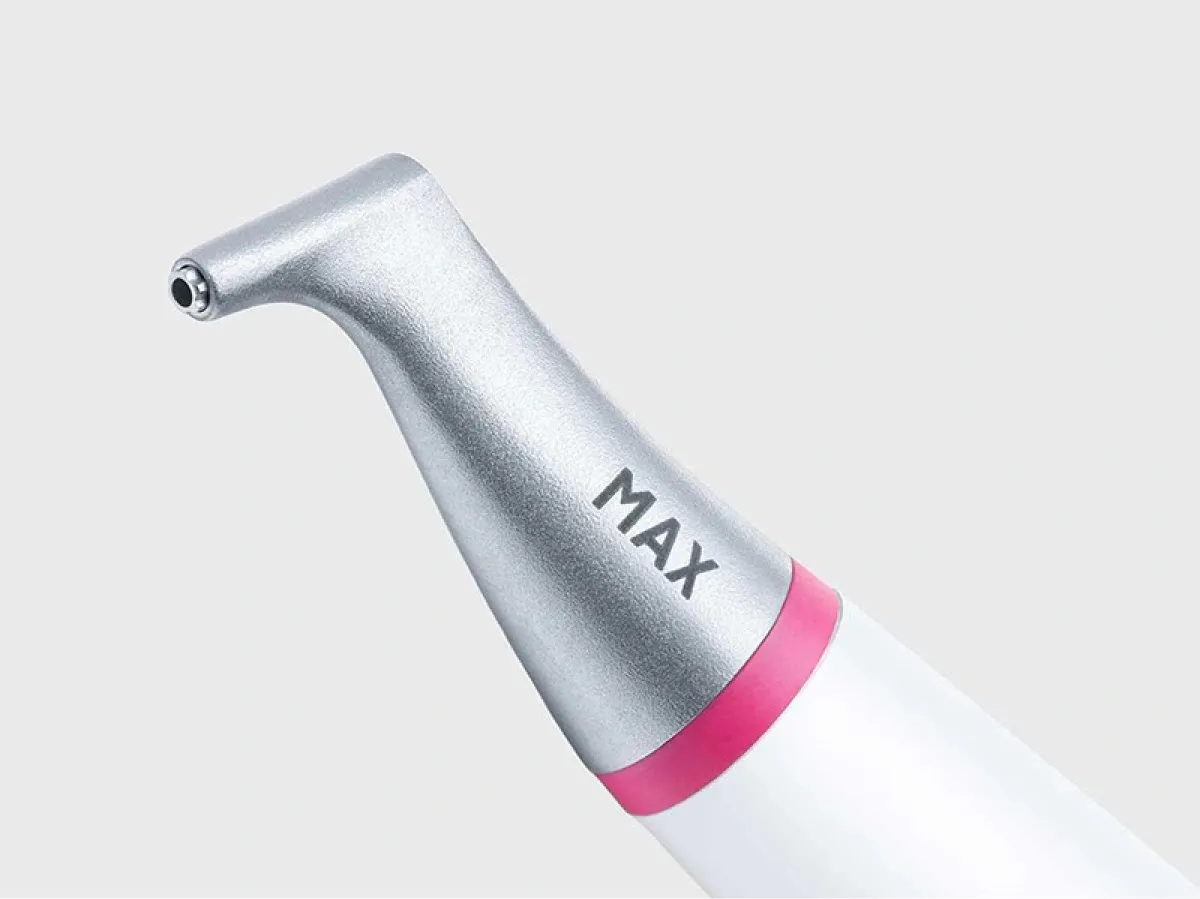
AIR-FLOW therapy
Just like a traditional scale and polish, a treatment with AIR-FLOW technology targets the build-up of plaque, tartar and stains to leave your teeth looking cleaner and whiter. The main difference, however, is that the technique uses a special powder, as well as air and a gentle stream of water, to gently and painlessly remove stains from the surface of your teeth. It is able to get into all of the hard to reach areas; even those that can’t be reached in a traditional scale and polish treatment. This technique is very effective at removing stains.
Traditional scale and polish vs AIR-FLOW therapy; what’s the difference?
Both techniques are reliable and widely used across the dental industry, giving great results to your gum health and the appearance of your teeth. Whilst a traditional scale and polish treatment is cheaper, AIR-FLOW therapy results are more thorough, with more stains and plaque removed than is possible with traditional scaling and polishing. Some patients also feel that AIR-FLOW is a more comfortable experience than a traditional scale and polish. Both techniques are available at all of our practices.
-modified.avif)
What’s the benefit of having regular hygienist treatments?
As highlighted above, there are multiple benefits to having regular appointments with your dental hygienist at Essex Family Dental. In summary, visiting your hygienist every 6 months:
- maintains your oral health, gums and teeth
- treats and prevents gum disease and bleeding gums
- aids against bad breath
- removes build-up of plaque and tartar on your teeth, including around braces and dental appliances
- significantly reduces daily stains caused by tea, coffee and wine; and
- gives you the opportunity to receive essential, personalised advice and tips on how to look after your teeth and gums

How much does a hygienist appointment cost?
Traditional scale and polish hygienist appointments are available as a private treatment at a cost of £69 during the week and at the weekend*, payable up front. Click here or give us a call to book.
Alternatively, you can see a hygienist for a traditional scale and polish at a discounted price by subscribing to one of our dental plans, which start from as little as £15.99 a month and include:
- 2 check-ups (including urgent appointments)
- 2 digital x-rays
- 2 hygienist appointments (including Saturdays); and
- 10% off some other dental treatments with Essex Family Dental
This great offer represents a 27% saving against the usual pay-as-you-go price for the same private treatments and makes it much easier to plan for and prioritise your dental care.
*Weekend appointments only available at our Mawney Road practice in Romford, Havering.
If you’d like to upgrade to an AIR-FLOW treatment, this will cost an extra £40 per treatment.

Which Essex Family Dental practices offer dental hygienist appointments?
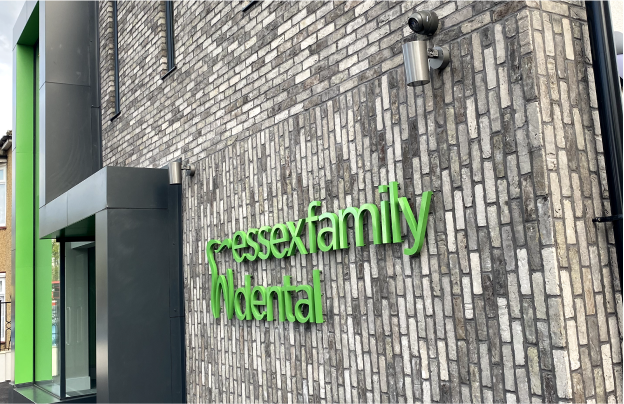
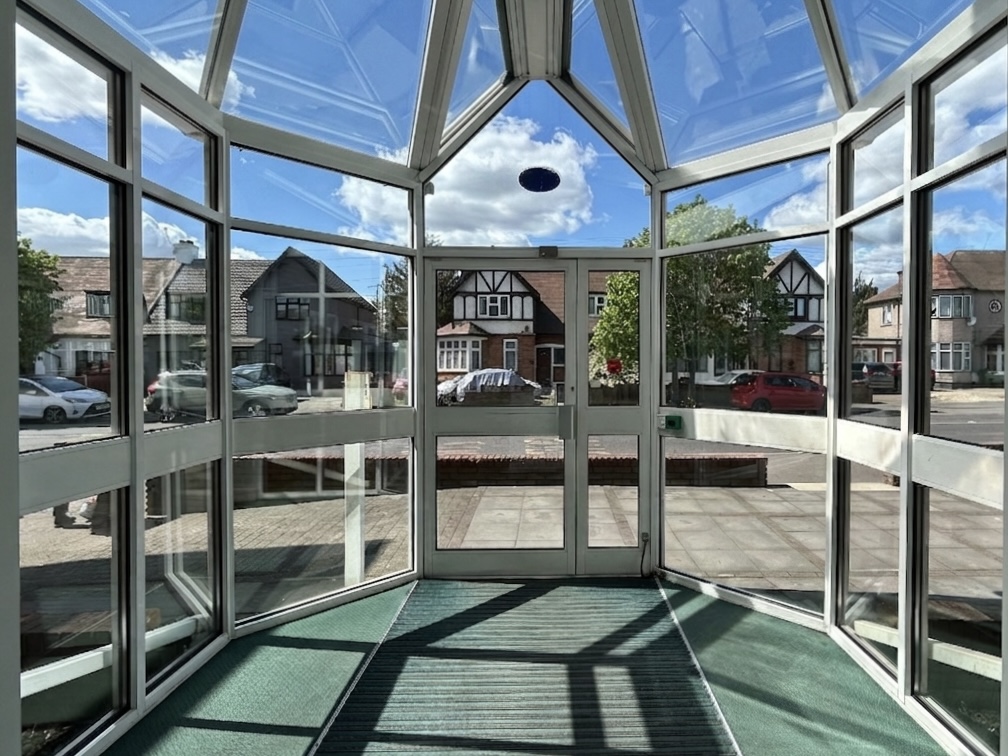
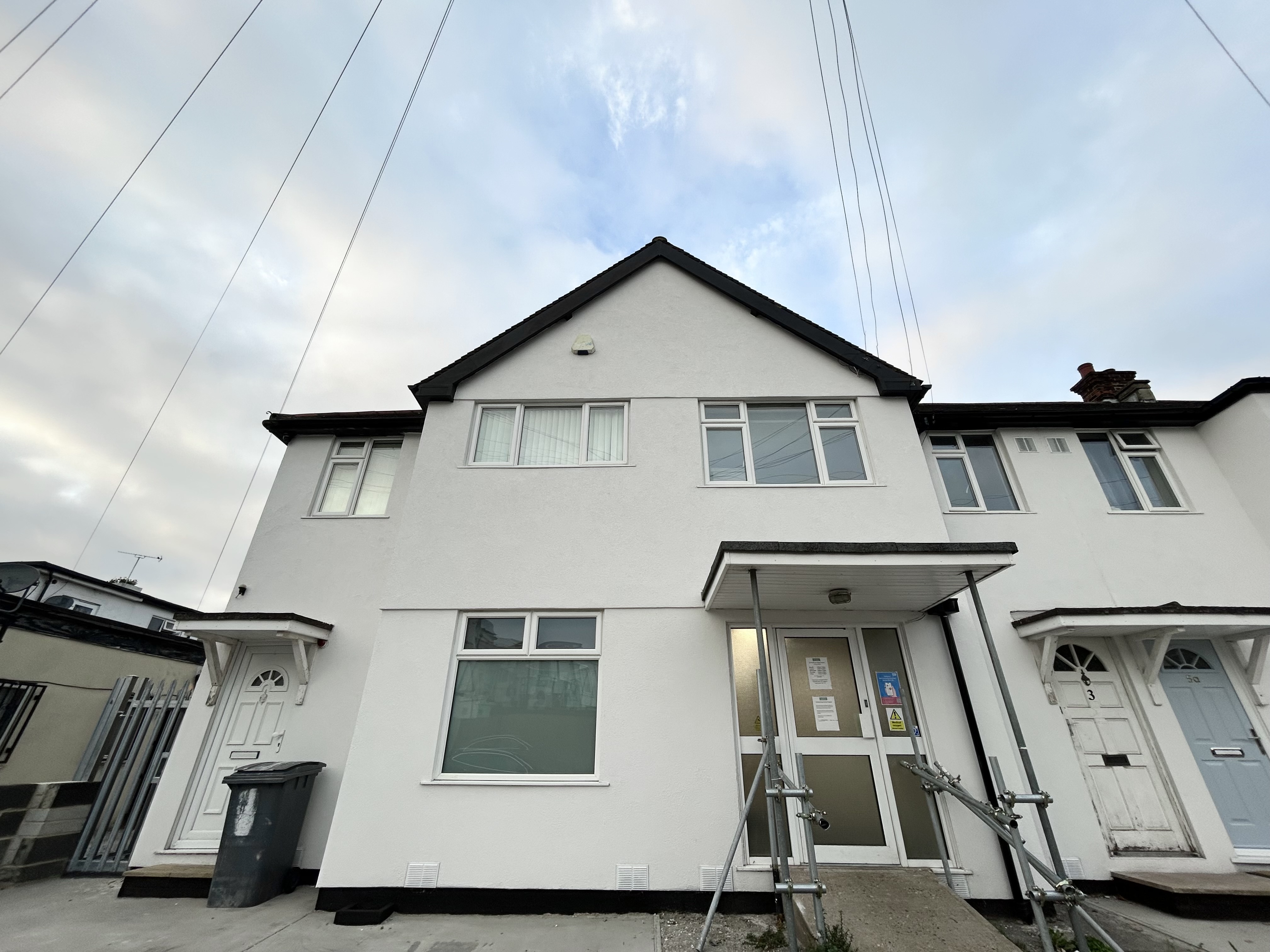
This treatment is available at the following practice locations:
Have you thought about?
A smile makeover with dental cosmetic treatments such as composite bonding and teeth whitening.

Teeth whitening
Teeth get stained over time, so teeth whitening is a good way to restore the natural whiteness that may have been dulled by red wine, tea or coffee. Our at-home whitening kits will give you reliable results quickly and will bring the brilliance back to your smile or, alternatively, you can opt for teeth whitening strips.

Composite bonding
If you’ve been dreaming of the perfect smile but don’t want to undergo any permanent procedures that involve removal of part of the tooth, then composite bonding might be the best solution to bring out the best in your smile. Composite bonding is a non-invasive tooth restoration treatment that changes the shape and colour of your teeth through the application of a tooth-coloured resin onto the tooth’s natural surface, whilst also protecting the integrity of your natural teeth.

Smile makeovers
Cosmetic dentistry improves the aesthetics of your smile and is therefore a popular choice for anyone who would like to boost their confidence by fixing issues with their teeth such as crooked teeth, stains, gaps or cracks.
Frequently asked questions about dental hygiene
Most patients find hygiene appointments to be comfortable, though some may feel a little discomfort or sensitivity during the cleaning. If you’re feeling concerned or nervous, your hygienist can suggest ways of making the experience more comfortable for you, including using desensitizing agents or, if needed, a local anaesthetic. Alternatively, you might like to consider upgrading to AIR-FLOW therapy as this is generally much more comfortable than traditional scale and polish treatments (although some scale and polish work may still be required).
Yes. Whilst the majority of people understand the need to brush their teeth twice a day, they don’t always realise that flossing is also essential. Daily flossing goes beyond the surface of the teeth by cleaning between them and along the gum line—spots your toothbrush can't quite reach. Floss also helps remove plaque and food particles that might otherwise lead to gum disease and cavities.
The NHS recommend flossing before brushing your teeth, not after. To do this, pull the dental tape between your hands until it’s taut and then slip it into the gaps between your teeth and gums as far as it will go. Pull the floss back and forth between each tooth for around 8 to 10 strokes. This action will dislodge food and plaque. You can also ask your hygienist for a demonstration of how to use floss when you visit us for your appointment; they’ll be more than happy to show you.
If needed, interdental brushes or single-tufted brushes can be used instead of regular floss. The brush should fit snugly between the teeth and can be used in a similar way to floss to remove food and plaque. Again, if you’re in any doubt at all, ask your dentist or hygienist how to best clean between your teeth.
Bad breath can be caused by:
- poor oral hygiene
- certain foods
- dry mouth; or
- underlying medical conditions.
To improve bad breath, practice good oral hygiene such as brushing, flossing and cleaning your tongue regularly. These simple habits can go a long way towards keeping your breath fresh.


