
Composite bonding at Essex Family Dental
If you’ve been dreaming of the celebrity smile but don’t want to undergo any permanent procedures that involve removal of part of the tooth, then composite bonding might be the best non-invasive solution for you. With composite bonding, which is also known as composite veneers or teeth / cosmetic bonding, you can address cosmetic concerns at a reasonable cost. The treatment allows you to change the shape and colour of your teeth, as well as fill in gaps and conceal chips. Composite bonding will bring out the best in your smile and give you confidence, enabling you to reach your dental goals right here in our East London and Essex practices.

Why our patients love composite bonding
How does composite bonding work?
Composite bonding is a non-invasive, tooth restoration treatment that changes the shape and colour of your teeth through the application of a tooth-coloured resin onto the tooth’s natural surface. Your dentist will examine your teeth, discuss your goals and check your tooth health - any signs of decay, for example, will be removed before commencing with your composite bonding treatment.



Where is composite bonding available?
This treatment is available at the following practice locations:

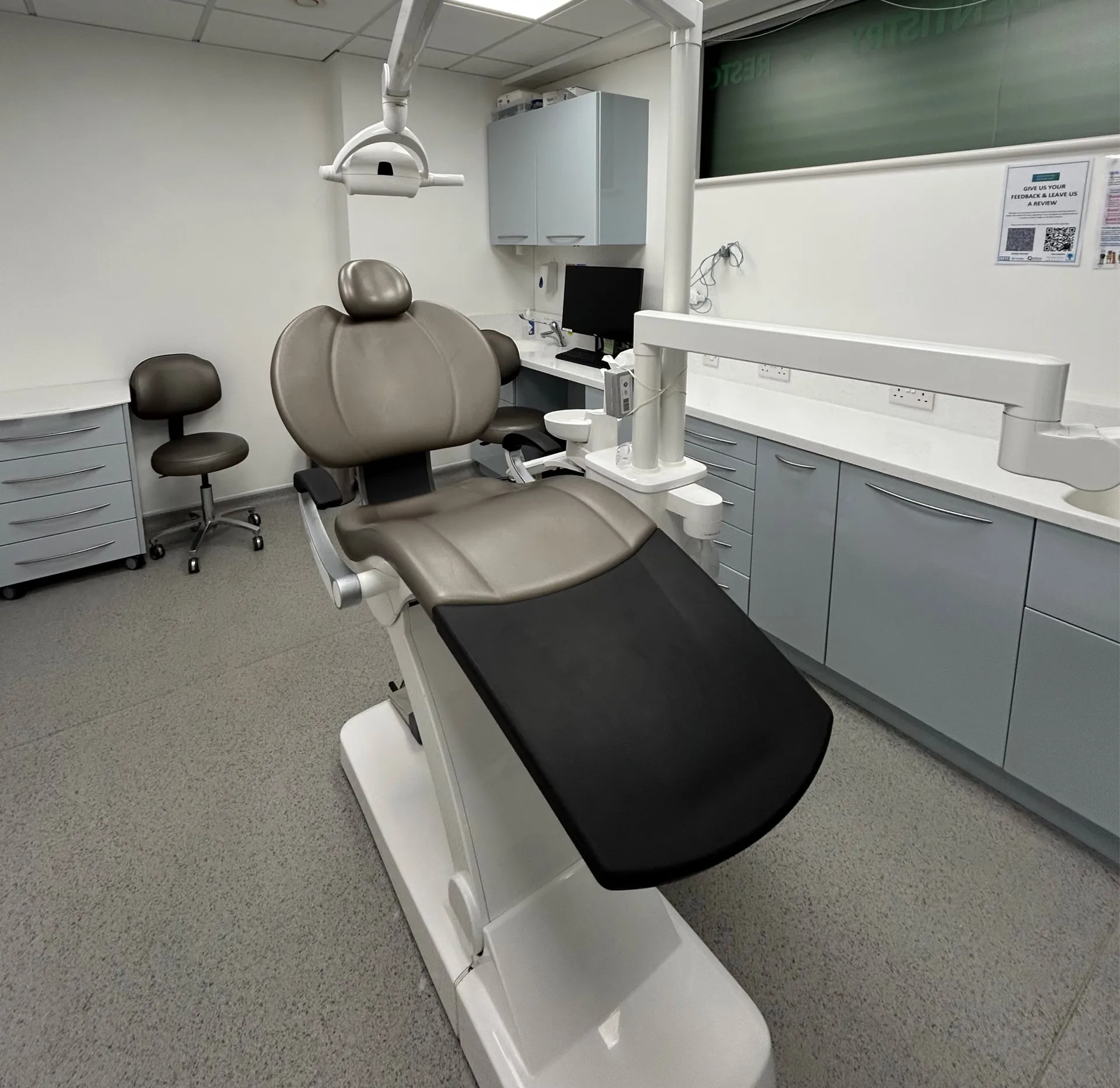
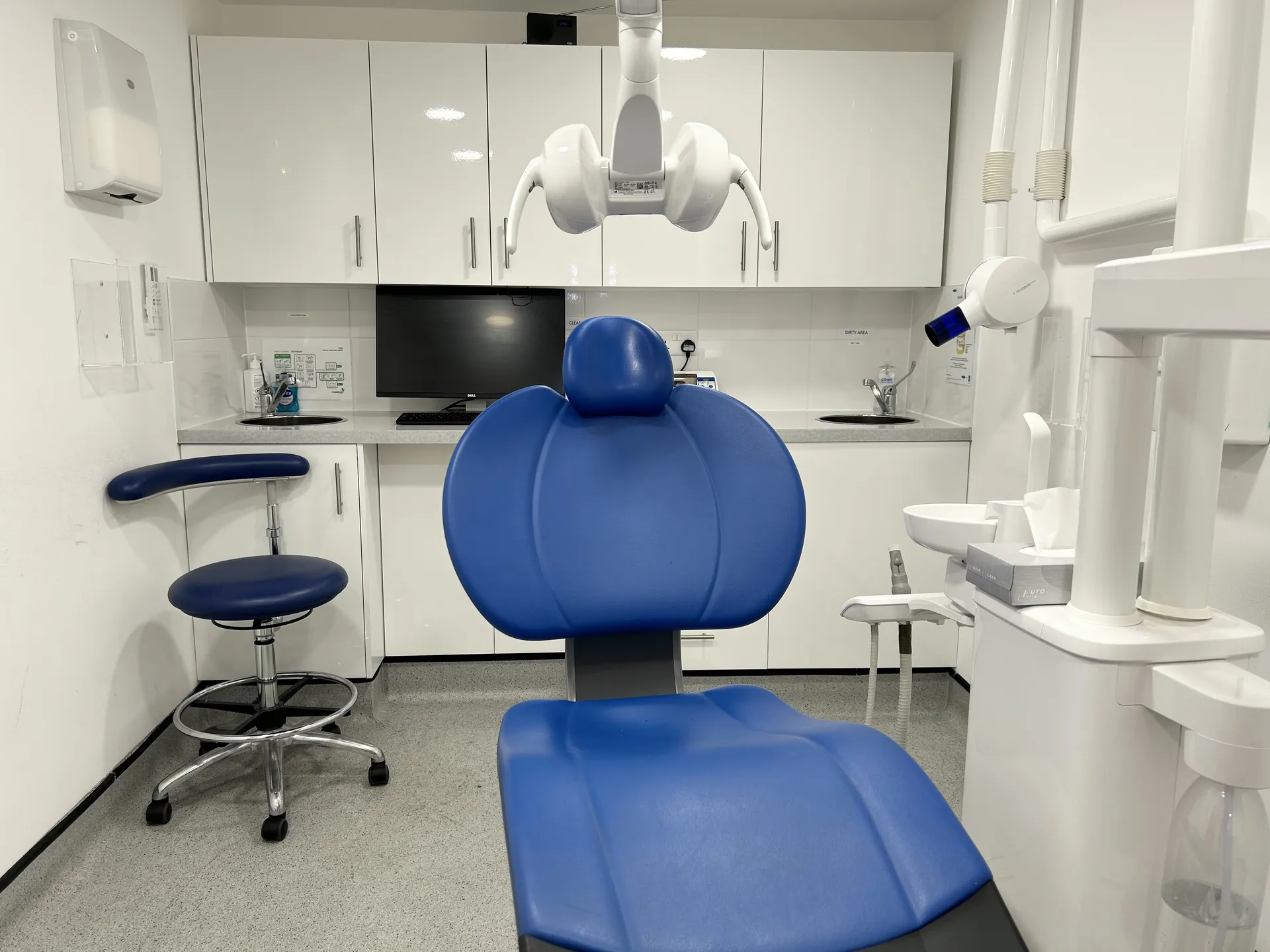
How much does composite bonding cost?
Prices vary depending on your specific treatment needs but usually start at £350 for an individual tooth with 0% finance* payment options available.
Contact us now to book in your consultation. Face-to-face consultations are free, subject to a deposit of £45 (refundable after your appointment attendance). If you’d like to add a check-up and oral health assessment to your consultation, this will cost £37. Virtual consultations are free, should you prefer to have a chat with us ahead of a face-to-face appointment.

Have you thought about?
Enhancing your smile makeover with dental cosmetic treatments such as teeth straightening and whitening.
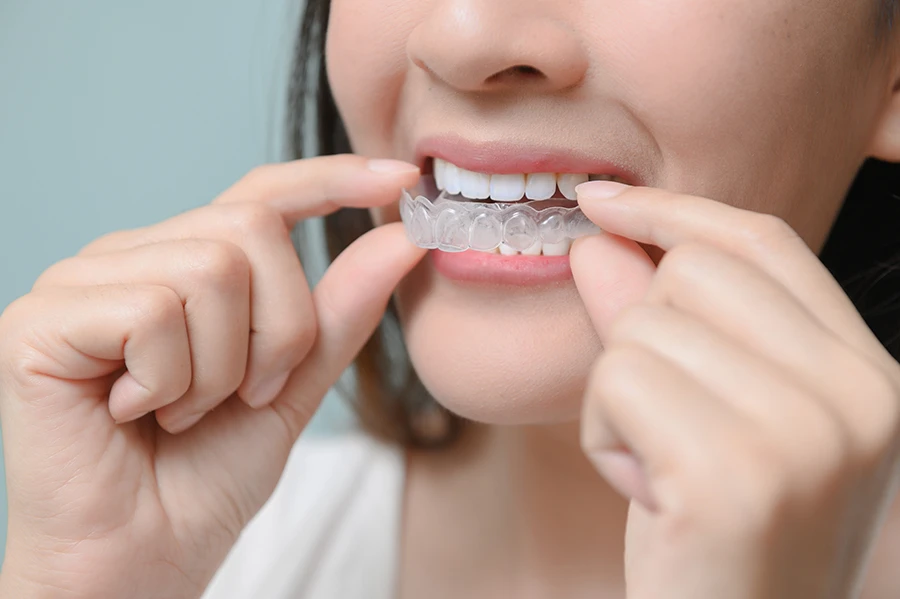
Teeth straightening
Straightening crooked or misaligned teeth can transform your smile, give you confidence and help you be the best version of you. If you’re dissatisfied with your smile, you’ll be pleased to know that straightening your teeth is not only extremely achievable and affordable but also brings very reliable results, whether your goal is to straighten wonky teeth, reduce overcrowding, remedy an incorrect bite or fix jaw misalignment. Multiple teeth straightening options are available at Essex Family Dental such as clear aligners, lingual braces, clear ceramic braces or traditional orthodontics, which means you can choose the treatment option that best suits you, your needs and your lifestyle.
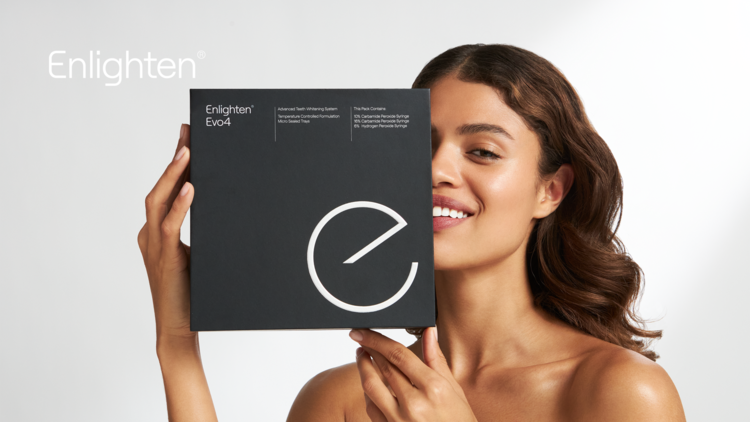
Teeth whitening
Teeth get stained over time, so teeth whitening is a good way to restore the natural whiteness that may have been dulled by red wine, tea or coffee. Our at-home whitening kits will give you reliable results quickly and will bring the brilliance back to your smile or, alternatively, you can opt for teeth whitening strips.
Frequently asked questions about composite bonding
It’s really important to take good care of your teeth after your composite bonding treatment by using floss or interdental brushes at home to clean between your teeth, as well as an electric toothbrush for your regular brushing. Avoid habits that might cause damage like nail-biting, chewing on pens or grinding your teeth, as this will ensure your composite stays in great shape. We’d also encourage you to visit the hygienist regularly, and would even suggest you attend a hygienist appointment before you have the composite bonding treatment done.
Yes. Gum, or periodontal, disease can cause receding gums, which often leaves behind gaps and spaces between the teeth. Composite bonding can be a good solution to hide these gaps – whether you currently have gum disease or have had it in the past. If it’s still present, there may also be a need to treat the gum disease itself, so speak to us beforehand and we will provide you with the best advice on your case.
Porcelain veneers are the main alternative treatment to composite bonding. Depending on your reason for treatment, other options that could be considered are:
- teeth whitening for discolouration
- dental crowns for tooth augmentation; or
- orthodontic treatments (e.g. braces or clear aligners like Invisalign) for misaligned teeth
Yes. If you’ve had composite bonding treatment, it can be easily repaired if it becomes chipped or damaged, and it can even be removed if you change your mind later. Regular dental check-ups can identify issues early and may also help to prevent more extensive damage.
Yes. Just as with porcelain veneers, composite bonding / veneers are designed to look very natural. As they can be customised by shape, colour and size to match your existing teeth, having composite bonding ensures a natural appearance.
Composite bonding / veneers are commonly used in the same way as porcelain veneers to correct issues such as:
- discolouration and stains
- gaps
- chips
- cracks; and
- irregularly shaped teeth
The best option for you really depends on your dental goals, current oral health and the dental issues that need to be resolved. Our team will advise you on your options and help you to make the right decision for you, so don’t hesitate to book an appointment. If you’d rather gather some advice before having a face-to-face appointment with the dentist, however, click here to schedule a free virtual consultation.


